Understanding Blood Sugar Levels
Understanding Blood Sugar Levels
Understanding blood sugar levels

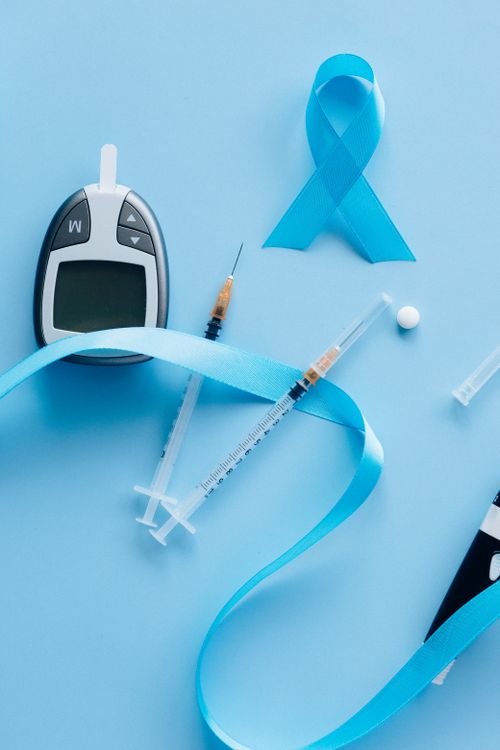
Blood sugar, also known as blood glucose, is the amount of glucose circulating in your bloodstream. Glucose is the body’s primary source of energy and comes from the carbohydrates found in foods such as fruits, vegetables, grains, dairy products, and sweets. Maintaining healthy blood sugar levels is essential because both high and low blood sugar can affect your overall health and increase the risk of serious medical conditions.

Whether you have diabetes or simply want to maintain good health, understanding how blood sugar works can help you make informed lifestyle choices and reduce your risk of future health problems.

What Is Blood Sugar?

Blood sugar refers to the concentration of glucose in your blood. After you eat, carbohydrates are broken down into glucose, which enters your bloodstream. In response, the pancreas releases a hormone called insulin. Insulin helps move glucose from the blood into the body’s cells, where it is used as energy or stored for future use.

When this process works properly, blood sugar remains within a healthy range. However, if the body produces too little insulin or cannot use it effectively, blood sugar levels may become too high or too low.

Why Blood Sugar Levels Matter

Your body relies on a steady supply of glucose to fuel the brain, muscles, and other organs. Healthy blood sugar levels help maintain energy, support normal body functions, and reduce the risk of long-term health complications.

When blood sugar stays too high for extended periods, it can damage blood vessels and nerves. On the other hand, blood sugar that drops too low may interfere with normal brain function and require immediate attention.

Normal Blood Sugar Levels

Blood sugar levels naturally rise after eating and decrease between meals. Healthcare providers may use different tests to evaluate blood sugar, including fasting blood glucose, random blood glucose, and the A1C test, which estimates average blood sugar over the previous two to three months.

The exact target range varies depending on factors such as age, overall health, pregnancy, and whether a person has diabetes. Your healthcare provider can explain what range is appropriate for your individual situation.

Causes of High Blood Sugar

High blood sugar, also known as hyperglycemia, occurs when there is too much glucose in the bloodstream.

Common causes include:

  • Diabetes
  • Eating large amounts of sugary or refined carbohydrate foods
  • Physical inactivity
  • Stress
  • Illness or infection
  • Certain medications, such as corticosteroids
  • Missing or insufficient diabetes medication

If left untreated, high blood sugar can lead to serious health complications over time.

Symptoms of High Blood Sugar

Common signs of elevated blood sugar include:

  • Increased thirst
  • Frequent urination
  • Blurred vision
  • Fatigue
  • Increased hunger
  • Slow-healing cuts or wounds
  • Unexplained weight loss
  • Frequent infections

Persistent symptoms should be evaluated by a healthcare provider.

Causes of Low Blood Sugar

Low blood sugar, known as hypoglycemia, occurs when glucose levels fall below normal.

Possible causes include:

  • Taking too much insulin or diabetes medication
  • Skipping meals
  • Eating too little
  • Intense physical activity without adequate nutrition
  • Drinking alcohol without food

People with diabetes are more likely to experience hypoglycemia, particularly if they use insulin or certain medications.

Symptoms of Low Blood Sugar

Low blood sugar may develop quickly and cause symptoms such as:

  • Shakiness
  • Sweating
  • Dizziness
  • Hunger
  • Headache
  • Rapid heartbeat
  • Confusion
  • Difficulty concentrating
  • Irritability

Severe hypoglycemia can lead to seizures, loss of consciousness, or other medical emergencies if not treated promptly.

How Blood Sugar Is Measured

Blood sugar can be monitored using several methods:

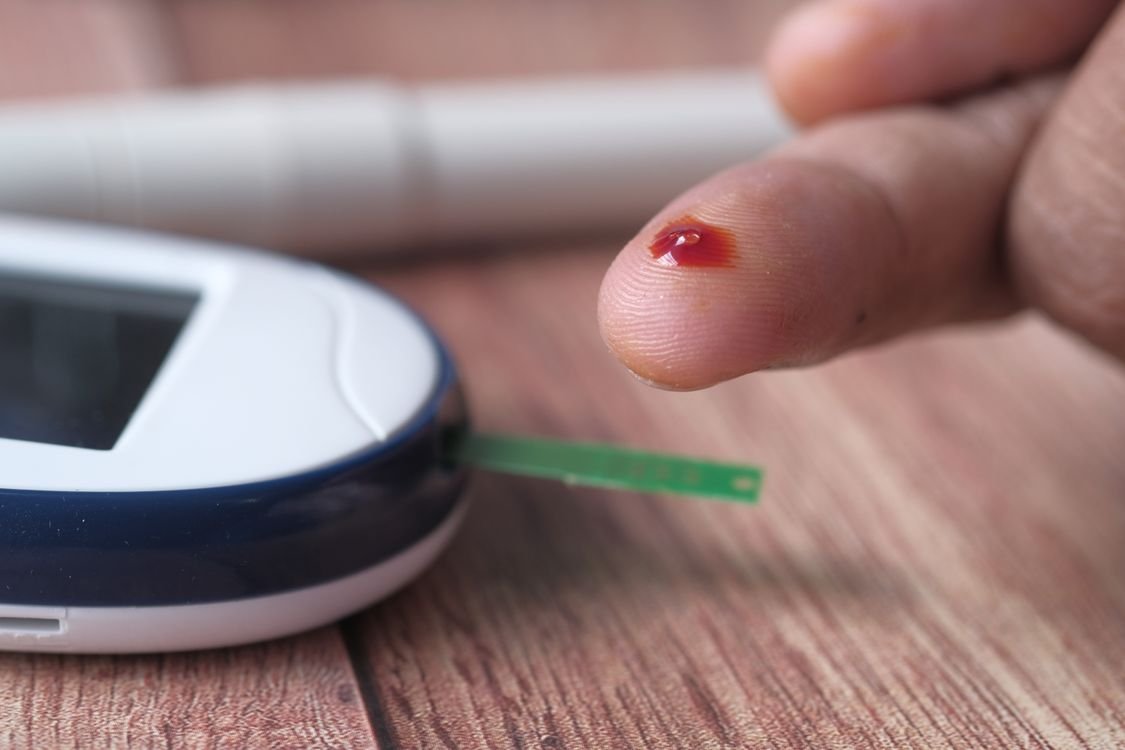
  • Blood glucose meter
  • Continuous glucose monitor (CGM)
  • Laboratory blood tests
  • A1C test

Regular monitoring helps individuals with diabetes understand how food, exercise, medications, and daily activities affect their glucose levels.

Tips for Maintaining Healthy Blood Sugar

Healthy lifestyle habits can help support stable blood sugar levels:

  • Eat balanced meals that include vegetables, whole grains, lean proteins, and healthy fats.
  • Limit sugary beverages and highly processed foods.
  • Exercise regularly.
  • Maintain a healthy body weight.
  • Drink enough water throughout the day.
  • Get sufficient sleep.
  • Manage stress through relaxation techniques or physical activity.
  • Follow prescribed medications if you have diabetes.
  • Attend regular medical checkups and monitor blood sugar as recommended.

These habits can benefit both people with diabetes and those looking to prevent blood sugar problems.

When to Seek Medical Advice

Contact a healthcare provider if you experience persistent symptoms of high or low blood sugar, have difficulty controlling your glucose levels, or notice changes such as frequent infections, unexplained weight loss, or blurred vision. Early diagnosis and treatment can help prevent complications and improve overall health.

Conclusion

Blood sugar plays a critical role in providing energy for the body’s cells and supporting normal organ function. Keeping blood sugar within a healthy range is important for preventing diabetes-related complications and maintaining overall well-being. A balanced diet, regular exercise, healthy weight management, and routine medical care are key to supporting stable blood sugar levels. Understanding how blood sugar works empowers you to make healthier choices and take an active role in protecting your long-term health.
What Is Cholesterol?

What Is Cholesterol?
What is cholesterol

Cholesterol is a waxy, fat-like substance found in every cell of the body. It plays a vital role in maintaining good health by helping produce hormones, vitamin D, and substances that aid digestion. Although cholesterol is essential for normal body functions, having too much cholesterol in the blood can increase the risk of heart disease and stroke.

Many people associate cholesterol with poor health, but the truth is that the body needs a certain amount to function properly. Problems arise when cholesterol levels become too high, especially if unhealthy lifestyle habits contribute to its buildup in the arteries.

What Does Cholesterol Do?

Cholesterol is produced naturally by the liver, which makes all the cholesterol your body needs. It is also found in certain foods, particularly those from animal sources such as meat, eggs, dairy products, and butter.

Cholesterol helps the body by:

  • Building healthy cell membranes
  • Producing hormones such as estrogen, testosterone, and cortisol
  • Making vitamin D
  • Supporting the production of bile acids, which help digest fats

Without cholesterol, many important bodily processes would not function properly.

Types of Cholesterol

Cholesterol travels through the bloodstream attached to proteins called lipoproteins. There are two main types of cholesterol, along with another important blood fat called triglycerides.

Low-Density Lipoprotein (LDL)

Low-density lipoprotein (LDL) is often called “bad cholesterol.” When LDL levels become too high, cholesterol can build up inside the walls of arteries, forming plaque. Over time, plaque narrows the arteries and reduces blood flow, increasing the risk of heart attack and stroke.

High-Density Lipoprotein (HDL)

High-density lipoprotein (HDL) is known as “good cholesterol.” HDL helps remove excess cholesterol from the bloodstream and carries it back to the liver, where it is broken down and removed from the body. Higher HDL levels are generally associated with better heart health.

Triglycerides

Triglycerides are another type of fat found in the blood. While they are not cholesterol, high triglyceride levels combined with high LDL or low HDL can further increase the risk of cardiovascular disease.

What Causes High Cholesterol?

Several factors can contribute to elevated cholesterol levels, including:

  • Eating foods high in saturated and trans fats
  • Being overweight or obese
  • Lack of regular physical activity
  • Smoking
  • Excessive alcohol consumption
  • Diabetes
  • Kidney disease
  • Family history of high cholesterol
  • Increasing age

In some people, high cholesterol is inherited through a genetic condition known as familial hypercholesterolemia.

Symptoms of High Cholesterol

High cholesterol usually does not cause noticeable symptoms. Most people discover they have high cholesterol only after a routine blood test.

Because it develops silently, regular cholesterol screenings are important, especially for adults with risk factors such as high blood pressure, diabetes, obesity, or a family history of heart disease.

Why High Cholesterol Is Dangerous

Excess cholesterol can accumulate in the arteries, forming fatty deposits called plaques. As plaque builds up, the arteries become narrower and less flexible, limiting blood flow to vital organs.

Untreated high cholesterol increases the risk of:

  • Coronary artery disease
  • Heart attack
  • Stroke
  • Peripheral artery disease
  • High blood pressure

Managing cholesterol levels is one of the most effective ways to protect long-term heart health.

How Is Cholesterol Measured?

A healthcare provider can measure cholesterol levels with a blood test called a lipid profile or lipid panel. This test typically measures:

  • Total cholesterol
  • LDL (bad cholesterol)
  • HDL (good cholesterol)
  • Triglycerides

Your healthcare provider will interpret these results based on your age, overall health, and risk factors for heart disease.

How to Maintain Healthy Cholesterol Levels

Healthy lifestyle choices can help improve cholesterol levels and reduce the risk of cardiovascular disease.

Consider these habits:

  • Eat more fruits, vegetables, whole grains, legumes, and lean proteins.
  • Limit foods high in saturated and trans fats.
  • Choose healthy fats such as those found in nuts, seeds, avocados, and olive oil.
  • Exercise for at least 150 minutes each week.
  • Maintain a healthy weight.
  • Avoid smoking and tobacco products.
  • Limit alcohol intake.
  • Manage conditions such as diabetes and high blood pressure.

If lifestyle changes are not enough, a healthcare provider may recommend cholesterol-lowering medications.

When to See a Healthcare Provider

Adults should have their cholesterol checked regularly, even if they feel healthy. Earlier or more frequent testing may be recommended for people with diabetes, high blood pressure, obesity, or a strong family history of cardiovascular disease.

Conclusion

Cholesterol is an essential substance that supports many important functions in the body, but excessive levels can increase the risk of serious cardiovascular diseases. Because high cholesterol often develops without symptoms, regular screening is crucial for early detection. By maintaining a balanced diet, staying physically active, avoiding smoking, and following medical advice, you can keep your cholesterol within a healthy range and support lifelong heart health.

Symptoms of Heart Disease Everyone Should Know

Symptoms of Heart Disease Everyone Should Know
Symptoms of heart disease everyone should know

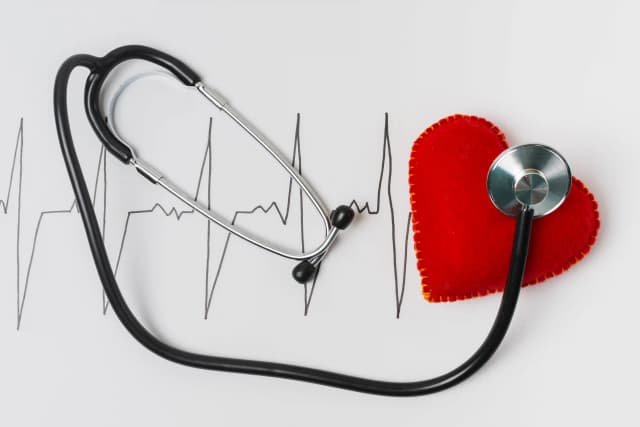
Heart disease is one of the leading causes of illness and death worldwide. It refers to a group of conditions that affect the heart and blood vessels, including coronary artery disease, heart failure, heart valve disorders, and irregular heart rhythms. While some heart conditions develop gradually over many years, others can occur suddenly and require immediate medical attention.

Recognizing the early symptoms of heart disease is essential because timely diagnosis and treatment can help prevent serious complications such as heart attacks, stroke, or heart failure. Although symptoms vary depending on the type of heart disease, there are several warning signs that everyone should know.

What Is Heart Disease?

Heart disease is a broad term used to describe conditions that affect the normal function of the heart. These conditions may reduce blood flow to the heart muscle, weaken the heart’s pumping ability, or disrupt its normal rhythm. Lifestyle habits, genetics, aging, and certain medical conditions all contribute to the development of heart disease.

Many people do not notice symptoms during the early stages, making regular health checkups an important part of prevention.

Common Symptoms of Heart Disease

Chest Pain or Discomfort

Chest pain, often called angina, is one of the most recognized symptoms of heart disease. It may feel like pressure, tightness, heaviness, squeezing, or burning in the center or left side of the chest. The discomfort may appear during physical activity or emotional stress and improve with rest.

Persistent or severe chest pain should never be ignored, especially if it lasts for several minutes or is accompanied by other symptoms.

Shortness of Breath

Difficulty breathing during daily activities or even while resting may indicate that the heart is not pumping blood efficiently. Shortness of breath can occur during exercise, while lying down, or during sleep.

Fatigue

Unusual or persistent fatigue is a common but often overlooked symptom. Feeling exhausted after routine activities that were previously easy may signal that the heart is struggling to circulate blood effectively.

Pain That Spreads Beyond the Chest

Heart-related pain is not always limited to the chest. It may spread to the:

  • Left or right arm
  • Shoulder
  • Neck
  • Jaw
  • Back
  • Upper abdomen

This type of pain is particularly common during a heart attack.

Rapid or Irregular Heartbeat

A racing, fluttering, or irregular heartbeat may indicate an abnormal heart rhythm, also known as an arrhythmia. While occasional palpitations are usually harmless, frequent or persistent irregular heartbeats should be evaluated by a healthcare provider.

Swelling in the Legs, Ankles, or Feet

When the heart cannot pump blood effectively, fluid may build up in the lower parts of the body. Swelling in the legs, ankles, or feet may be a sign of heart failure or other cardiovascular conditions.

Dizziness or Fainting

Reduced blood flow to the brain can cause dizziness, lightheadedness, or fainting. These symptoms may occur because of abnormal heart rhythms or other heart-related problems.

Cold Sweats

Sudden cold sweating without physical activity, particularly when accompanied by chest pain or shortness of breath, may indicate a heart attack and requires immediate medical attention.

Nausea or Indigestion

Some people, especially women, experience nausea, stomach discomfort, or indigestion instead of typical chest pain during a heart attack. Because these symptoms can resemble digestive problems, they should not be ignored if they occur alongside other warning signs.

Heart Disease Symptoms in Women

Heart disease symptoms can differ between men and women. Women are more likely to experience less obvious symptoms, including:

  • Unusual fatigue
  • Shortness of breath
  • Nausea or vomiting
  • Jaw or neck pain
  • Back pain
  • Dizziness
  • Sleep disturbances

These symptoms may appear days or even weeks before a heart attack.

Risk Factors for Heart Disease

Several factors increase the risk of developing heart disease, including:

  • High blood pressure
  • High cholesterol
  • Diabetes
  • Smoking
  • Obesity
  • Physical inactivity
  • Unhealthy diet
  • Excessive alcohol consumption
  • Chronic stress
  • Family history of heart disease
  • Increasing age

Managing these risk factors can significantly lower the likelihood of developing cardiovascular disease.

When to Seek Emergency Medical Care

Seek immediate medical attention if you or someone else experiences:

  • Severe or persistent chest pain
  • Pain spreading to the arm, jaw, neck, or back
  • Sudden shortness of breath
  • Fainting
  • Cold sweats
  • Nausea combined with chest discomfort

Prompt treatment during a heart attack can save heart muscle and improve survival.

How to Reduce Your Risk

Healthy lifestyle habits can help protect your heart:

  • Eat a balanced diet rich in fruits, vegetables, whole grains, and lean proteins.
  • Exercise regularly.
  • Maintain a healthy weight.
  • Avoid smoking and tobacco products.
  • Limit alcohol consumption.
  • Manage stress effectively.
  • Get adequate sleep.
  • Monitor blood pressure, cholesterol, and blood sugar levels.
  • Schedule regular health checkups.

Conclusion

Heart disease often develops gradually, but its warning signs should never be overlooked. Symptoms such as chest pain, shortness of breath, unusual fatigue, swelling, dizziness, and irregular heartbeats may indicate an underlying heart condition. Recognizing these signs early and seeking timely medical care can prevent serious complications and improve long-term health. Combined with a heart-healthy lifestyle and regular medical checkups, early awareness remains one of the best defenses against heart disease.

What Causes Diabetes?

What Causes Diabetes?
What causes diabetes

Diabetes is a chronic health condition that affects how the body processes blood sugar, also known as glucose. Glucose is the body’s primary source of energy and comes from the food we eat. The hormone insulin, produced by the pancreas, helps move glucose from the bloodstream into the body’s cells, where it is used for energy. When the body does not produce enough insulin or cannot use it effectively, blood sugar levels rise, leading to diabetes.

Understanding what causes diabetes can help people recognize their risk factors and adopt healthier habits to reduce the likelihood of developing the condition.

How Diabetes Develops

Normally, after eating, carbohydrates are broken down into glucose and released into the bloodstream. In response, the pancreas releases insulin, allowing glucose to enter cells. In people with diabetes, this process is disrupted.

There are different types of diabetes, and each has its own underlying causes.

Causes of Type 1 Diabetes

Type 1 diabetes is an autoimmune disease. It occurs when the body’s immune system mistakenly attacks and destroys the insulin-producing beta cells in the pancreas. As a result, the body produces little or no insulin.

The exact reason this immune response occurs is still not fully understood, but experts believe several factors may contribute, including:

  • Genetic predisposition
  • Family history of autoimmune diseases
  • Certain viral infections that may trigger the immune response
  • Environmental factors

Type 1 diabetes often develops during childhood or adolescence, but it can occur at any age. People with this condition require lifelong insulin therapy.

Causes of Type 2 Diabetes

Type 2 diabetes is the most common form of diabetes. It develops when the body’s cells become resistant to insulin or when the pancreas cannot produce enough insulin to meet the body’s needs.

Several lifestyle and genetic factors contribute to Type 2 diabetes, including:

Being Overweight or Obese

Excess body fat, especially around the abdomen, increases insulin resistance, making it harder for cells to respond to insulin effectively.

Physical Inactivity

A lack of regular exercise can contribute to weight gain and reduce the body’s ability to use insulin efficiently.

Unhealthy Diet

Frequent consumption of foods high in added sugars, refined carbohydrates, saturated fats, and highly processed ingredients may increase the risk of developing Type 2 diabetes over time.

Family History

Having a parent or sibling with Type 2 diabetes increases the likelihood of developing the condition.

Age

Although diabetes can occur at any age, the risk generally increases after the age of 45. However, rising obesity rates have led to more cases among younger adults and children.

High Blood Pressure and High Cholesterol

These conditions are often linked to insulin resistance and increase the risk of Type 2 diabetes.

Causes of Gestational Diabetes

Gestational diabetes develops during pregnancy when hormonal changes make it more difficult for the body to use insulin effectively. Most women return to normal blood sugar levels after giving birth, but they may have a higher risk of developing Type 2 diabetes later in life.

Risk factors include:

  • Being overweight before pregnancy
  • Family history of diabetes
  • Previous gestational diabetes
  • Older maternal age
  • Polycystic ovary syndrome (PCOS)

Common Risk Factors for Diabetes

Certain factors increase the overall risk of developing diabetes:

  • Family history of diabetes
  • Excess body weight
  • Sedentary lifestyle
  • Poor eating habits
  • Smoking
  • High blood pressure
  • Abnormal cholesterol levels
  • Increasing age
  • History of gestational diabetes

While some risk factors, such as age and genetics, cannot be changed, many lifestyle-related risks can be reduced.

Can Diabetes Be Prevented?

Although Type 1 diabetes cannot currently be prevented, many cases of Type 2 diabetes can be delayed or prevented through healthy lifestyle choices.

Helpful prevention strategies include:

  • Maintaining a healthy body weight
  • Exercising regularly
  • Eating a balanced diet rich in vegetables, fruits, whole grains, and lean proteins
  • Limiting sugary drinks and processed foods
  • Avoiding tobacco products
  • Managing stress
  • Getting adequate sleep
  • Having regular medical checkups to monitor blood sugar levels

Even modest improvements in daily habits can significantly lower the risk of developing Type 2 diabetes.

When to See a Healthcare Provider

People who experience symptoms such as increased thirst, frequent urination, unexplained weight loss, extreme fatigue, blurred vision, or slow-healing wounds should seek medical evaluation. Early diagnosis allows for timely treatment and helps reduce the risk of complications.

Conclusion

Diabetes develops when the body cannot properly regulate blood sugar due to problems with insulin production or insulin use. Type 1 diabetes is primarily caused by an autoimmune response, while Type 2 diabetes is strongly influenced by lifestyle factors, genetics, and aging. Gestational diabetes occurs during pregnancy because of hormonal changes. Understanding these causes and taking preventive steps can help reduce the risk of Type 2 diabetes and support better long-term health. Regular checkups, a balanced diet, and an active lifestyle remain some of the most effective ways to protect against this common condition.

What Is High Blood Pressure?

What Is High Blood Pressure?
What is high blood pressure

High blood pressure, also known as hypertension, is one of the most common health conditions affecting people worldwide. It occurs when the force of blood pushing against the walls of your arteries remains consistently higher than normal. Although it often develops without noticeable symptoms, untreated high blood pressure can lead to serious health problems such as heart disease, stroke, kidney damage, and vision loss. For this reason, hypertension is often called the “silent killer.”

Understanding what high blood pressure is, its causes, risk factors, symptoms, and treatment options can help you take steps to protect your long-term health.

Understanding Blood Pressure

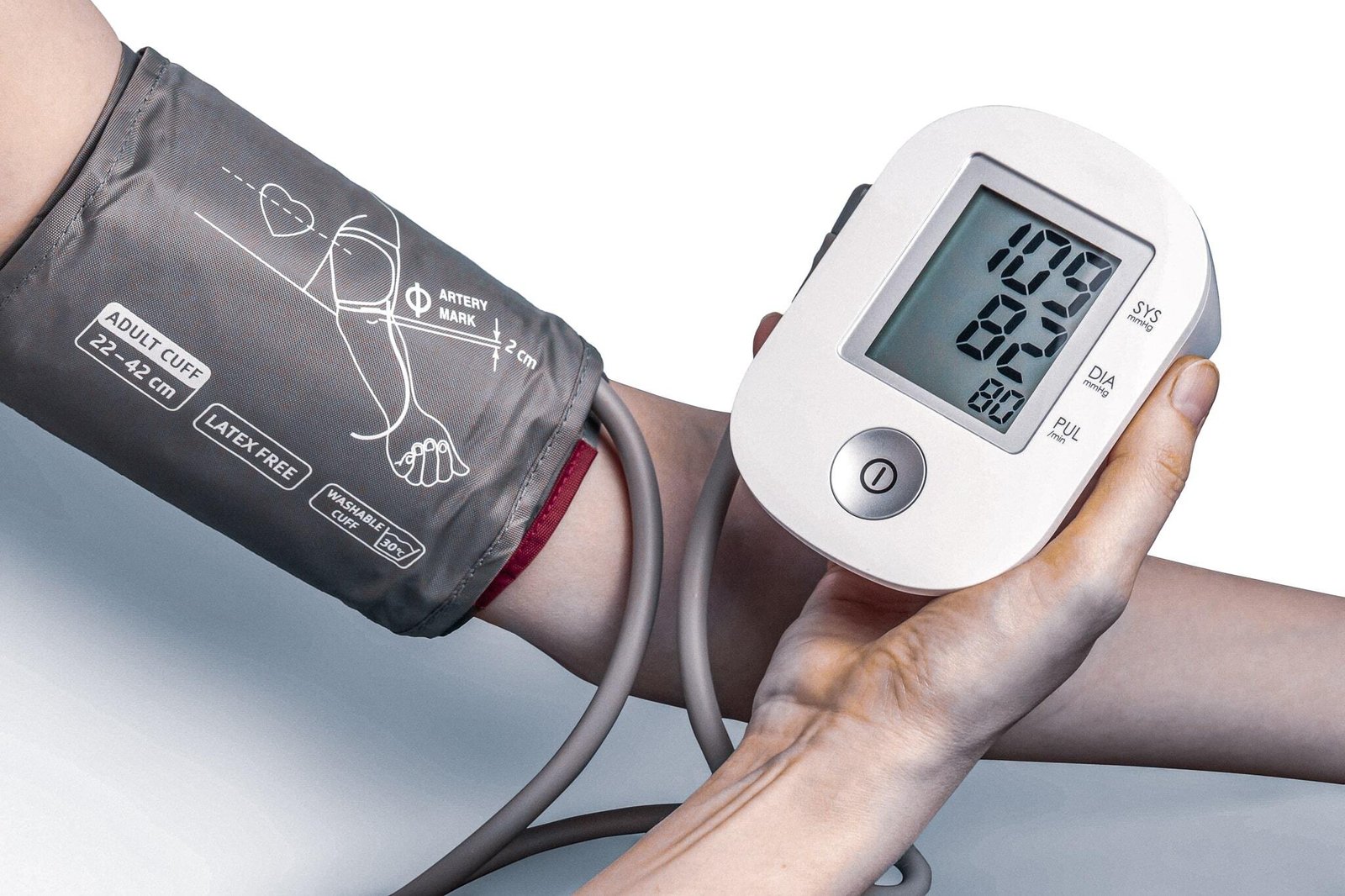
Blood pressure is the measurement of the force your blood exerts against the artery walls as your heart pumps. It is recorded using two numbers:

  • Systolic pressure: The pressure when the heart contracts and pumps blood.
  • Diastolic pressure: The pressure when the heart relaxes between beats.

A normal blood pressure reading is generally considered to be around 120/80 mmHg. Readings that remain consistently above the recommended range may indicate high blood pressure.

What Causes High Blood Pressure?

There is no single cause of hypertension. Instead, it often develops due to a combination of lifestyle habits, genetics, and aging. In many cases, the exact cause is unknown, especially in adults.

Several factors can increase the likelihood of developing high blood pressure, including:

  • Excessive salt intake
  • Being overweight or obese
  • Physical inactivity
  • Smoking
  • Heavy alcohol consumption
  • Chronic stress
  • Family history of hypertension
  • Older age
  • Diabetes or kidney disease

Making healthier lifestyle choices can reduce many of these risk factors.

Symptoms of High Blood Pressure

One of the biggest challenges with hypertension is that it usually produces no obvious symptoms. Many people feel completely healthy even when their blood pressure is dangerously high.

In severe cases, symptoms may include:

  • Persistent headaches
  • Dizziness
  • Blurred vision
  • Chest pain
  • Shortness of breath
  • Nosebleeds
  • Fatigue

However, these symptoms often appear only after blood pressure has reached a dangerous level. Regular blood pressure checks remain the best way to detect hypertension early.

Why High Blood Pressure Is Dangerous

When blood pressure stays elevated over time, it places extra strain on the heart and blood vessels. This additional stress gradually damages the arteries and increases the risk of several serious medical conditions.

Possible complications include:

  • Heart attack
  • Stroke
  • Heart failure
  • Kidney disease
  • Vision problems
  • Memory and cognitive decline
  • Peripheral artery disease

Early diagnosis and proper treatment greatly reduce these risks.

How Is High Blood Pressure Diagnosed?

Healthcare professionals diagnose hypertension by measuring blood pressure using a blood pressure monitor. Since readings can vary throughout the day, multiple measurements taken over several visits may be needed before confirming the diagnosis.

Your healthcare provider may also recommend blood tests, urine tests, or heart examinations to determine whether high blood pressure has affected other organs or if another medical condition is contributing to it.

Treatment and Management

Managing high blood pressure usually involves a combination of healthy lifestyle changes and, if necessary, medication.

Healthy habits that help control blood pressure include:

  • Eating a balanced diet rich in fruits, vegetables, and whole grains
  • Reducing sodium (salt) intake
  • Exercising regularly
  • Maintaining a healthy body weight
  • Quitting smoking
  • Limiting alcohol consumption
  • Managing stress through relaxation techniques and adequate sleep

If lifestyle changes alone are not enough, a healthcare provider may prescribe blood pressure medications. These medicines should always be taken exactly as directed.

Tips to Prevent High Blood Pressure

Preventing hypertension is often easier than treating its complications. You can lower your risk by:

  • Monitoring your blood pressure regularly
  • Staying physically active
  • Choosing heart-healthy foods
  • Maintaining a healthy weight
  • Reducing processed and high-sodium foods
  • Getting enough sleep
  • Managing stress effectively
  • Attending regular medical checkups

Small, consistent lifestyle improvements can make a significant difference in maintaining healthy blood pressure.

Conclusion

High blood pressure is a common but potentially serious condition that often develops without warning signs. Because it can silently damage vital organs, regular monitoring and early intervention are essential. By adopting healthy lifestyle habits, staying physically active, eating a nutritious diet, and following medical advice when needed, you can successfully manage your blood pressure and reduce the risk of life-threatening complications. Taking care of your heart today is an important investment in your future health.