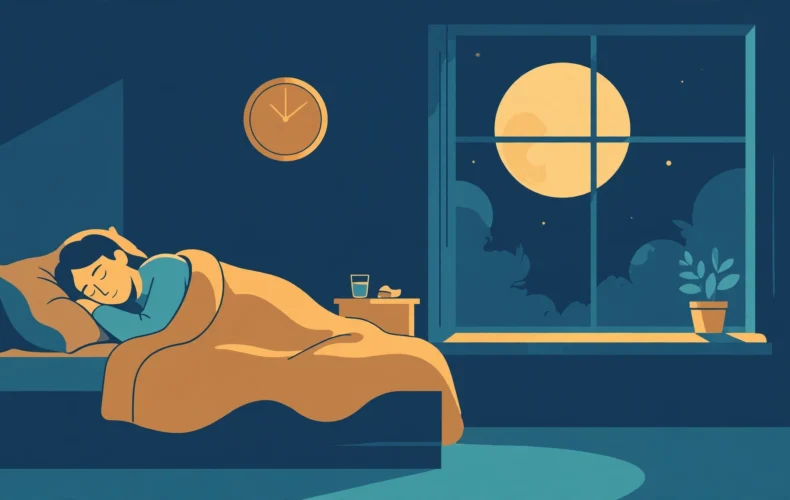
How Long Does It Actually Take to Fall Asleep? What's Normal

How Long Does It Actually Take to Fall Asleep? What’s Normal

For most healthy adults, it takes 10 to 20 minutes to fall asleep once they turn out the lights and settle in. Less than 5 minutes regularly can be a sign you’re not getting enough sleep overall, and taking longer than 30 minutes most nights may mean something in your habits, environment, or stress levels is interfering with sleep. One rough night isn’t a diagnosis — but a pattern is worth paying attention to.

What do sleep researchers call “normal” sleep latency?

The medical term for the time it takes to drift off is sleep latency, and sleep scientists have a fairly consistent idea of the normal range. In sleep labs, researchers consider a sleep latency of 10 to 20 minutes perfectly typical for healthy adults. Most large surveys find that the average adult reports falling asleep in somewhere around 15 minutes.

These numbers are averages, not rules carved in stone. Some people naturally drift off in 8 minutes and sleep beautifully; others take 25 minutes on a calm night and feel fine in the morning. What matters more than any single number is your personal pattern: how long you usually take, how refreshed you feel during the day, and whether falling asleep feels like a struggle or simply part of the night.

Is falling asleep in 5 minutes a good thing?

Here’s one of the most common surprises in sleep science: falling asleep almost instantly is not the flex it seems like. Researchers have found that people who consistently fall asleep in under 5 minutes are often sleep-deprived, even when they don’t feel tired.

The reason is simple — a well-rested body doesn’t switch off in seconds. When sleep pressure builds up (the technical term involves a chemical called adenosine accumulating in the brain over the course of the day), the body tips into sleep almost immediately once the opportunity arrives. If you’re consistently out within minutes of hitting the pillow, your body may be telling you it’s running a sleep debt.

That said, context matters. Falling asleep quickly once in a while — after a long hike, a very early morning, or an exhausting day — is completely normal. The pattern worth noticing is the chronic one: lights-out and gone, every single night, while you still feel groggy at noon.

Why does it sometimes take 30, 45, or 60 minutes?

Lying awake for half an hour or more is one of the most frustrating experiences in the world, and it’s also one of the most common sleep complaints. When your mind is racing at midnight, it usually comes down to one or more of these factors:

  • A racing or worried mind. The most common reason for long sleep latency. Stress, anticipation, or replaying the day keeps your brain in alert mode — the exact opposite of the winding-down process sleep requires.
  • Screen exposure before bed. Phones and laptops emit light and stimulation that can delay melatonin release. It’s not just the blue light — doomscrolling keeps your brain engaged and emotionally activated.
  • Late caffeine or alcohol. Caffeine has a half-life of roughly 5 to 6 hours, meaning an afternoon coffee can still be working at bedtime. Alcohol may make you drowsy at first, but it fragments the sleep that follows and can delay falling asleep once it wears off.
  • Irregular sleep schedule. Your body clock — the circadian rhythm — sets a nightly “sleep window.” If your bedtime swings wildly, your body may simply not be ready when you climb into bed.
  • A bedroom that’s too warm, bright, or noisy. The body needs to cool down slightly to fall asleep. A hot, lit room works against that.

The key insight: if you take a long time to fall asleep but wake up feeling okay and function fine during the day, it may just be your natural pattern. If long sleep onset comes with daytime tiredness, that’s the combination worth addressing.

Does normal sleep latency change with age?

Yes — and this surprises a lot of people. Children and teenagers often fall asleep faster than adults, partly because their sleep pressure builds more intensely. As we age, sleep latency tends to lengthen a bit.

Adults over 60 frequently report taking longer to fall asleep than they did at 30. That’s partly biology (the circadian rhythm shifts earlier and sleep becomes lighter) and partly because older adults are more likely to experience the things that delay sleep — medications, health concerns, or simply lying awake thinking.

Toddlers are the famous exception at the other end: it can take young children 20 to 30 minutes to settle, and that’s entirely within the normal range for them. What’s “normal” genuinely shifts across the lifespan.

What if I fall asleep fast but still wake up exhausted?

This combination — short sleep latency plus daytime tiredness — deserves attention, because it often points to sleep quality rather than sleep quantity. You might be falling asleep quickly but not getting enough deep, restorative sleep.

Common culprits include sleep apnea (breathing interruptions you may not notice), restless leg syndrome, chronic pain, or even just an inconsistent schedule that shortens your total sleep. If this is your pattern — out in minutes, exhausted by 2 PM — that’s a good reason to talk to your doctor rather than just trying to sleep longer.

How can I fall asleep at a healthy pace?

If your sleep latency regularly runs long — 30 minutes or more most nights — the evidence-backed fixes are remarkably consistent:

  1. Anchor your wake time, not your bedtime. Getting up at the same time every morning (weekends included) is the single most powerful signal for your body clock. A consistent morning anchors a consistent night.
  2. Build a real wind-down routine. Give yourself 30 to 60 minutes of lower-stimulation activity before bed: dim the lights, read a physical book, stretch, or take a warm shower. This isn’t a “hack” — it’s your body reading the environment and starting the sleep process.
  3. Get bright light early. Morning sunlight (or a bright indoor light) tells your brain when “daytime” starts, which sets the timer for when melatonin should rise that evening.
  4. Keep the bedroom cool, dark, and quiet. Aim for a cool room, blackout conditions if possible, and as little noise as you can manage.
  5. Move caffeine earlier. Setting a personal caffeine cutoff — many sleep specialists suggest noon or early afternoon — removes one of the biggest hidden sleep-latency drivers.
  6. Get out of bed if you’re not asleep in ~20 minutes. This one feels counterintuitive, but sleep specialists recommend it: if you’re awake and getting frustrated, get up, do something calm and dim in another room, and return when you feel drowsy. It teaches your brain to associate the bed with sleep, not with tossing and turning.

These are the core principles of cognitive behavioral therapy for insomnia (CBT-I), the treatment sleep doctors consider the gold standard — and they work for milder sleep-onset trouble too.

When should I talk to a doctor about how long it takes me to fall asleep?

A pattern that persists — taking 30+ minutes to fall asleep at least three nights a week for three weeks or more, with daytime consequences like fatigue, poor concentration, or irritability — is worth bringing to your doctor. Bring a simple sleep diary (bedtime, estimated time to fall asleep, wake time, how you felt during the day) for a week or two; it gives the clinician far more to work with than memory alone.

Seek advice sooner if you have loud snoring, gasping during sleep, or significant daytime sleepiness — those can signal sleep apnea, which needs professional evaluation. And if racing thoughts or anxiety are the main barrier, mentioning that is important too; the treatment path differs.

This article is for general information only and isn’t medical advice. Sleep is individual, and a clinician who knows your history is the right person to help with persistent problems.

Frequently asked questions

How long does it take to fall asleep normally?
For most healthy adults, 10 to 20 minutes is the normal range. Under 5 minutes regularly may signal sleep deprivation; over 30 minutes most nights may indicate a habit, environment, or stress factor worth addressing.

Is it bad to fall asleep really fast?
Occasionally, no — it happens after exhausting days. But consistently falling asleep in under 5 minutes can indicate you’re carrying a sleep debt, since a well-rested body typically needs 10 to 20 minutes to transition into sleep.

Why do I lie awake for an hour before falling asleep?
The most common reasons are a racing mind from stress, late screen use, caffeine or alcohol, an irregular schedule, or a bedroom that’s too warm or bright. If it happens three or more nights a week for weeks and affects your days, talk to your doctor.

How can I fall asleep faster without medication?
The strongest evidence supports a consistent wake time, a 30–60 minute wind-down routine, morning bright light, a cool dark bedroom, an earlier caffeine cutoff, and getting out of bed (into a calm, dim activity) if you’re still awake after about 20 minutes.


Easy Lifestyle Changes That Can Boost Your Well-Being

Easy Lifestyle Changes That Can Boost Your Well-Being
Easy lifestyle changes for better well-being

Many people believe that improving their health and well-being requires dramatic changes, strict diets, expensive fitness programs, or major life overhauls. In reality, some of the most powerful improvements come from small, consistent lifestyle changes that are easy to maintain over time.

Well-being is more than just the absence of illness. It includes physical health, mental wellness, emotional balance, and overall life satisfaction. The choices you make each day—what you eat, how you move, how you sleep, and how you manage stress—can have a significant impact on your quality of life.

The good news is that you do not need to change everything at once. Even simple adjustments to your daily routine can lead to noticeable improvements in your energy levels, mood, productivity, and long-term health.

In this article, we will explore easy lifestyle changes that can boost your well-being and help you live a healthier, happier life.

Why Small Changes Matter

Many people fail to achieve their health goals because they try to make too many changes at once. Extreme diets, intense workout plans, and unrealistic expectations often lead to frustration and burnout.

Small lifestyle improvements are often more effective because they are:

  • Easier to maintain
  • Less overwhelming
  • More sustainable
  • More likely to become long-term habits

Over time, small positive actions can produce significant results.

1. Drink More Water Every Day

Water is essential for nearly every function in the human body. Yet many people do not drink enough water throughout the day.

Proper hydration helps:

  • Maintain energy levels
  • Support digestion
  • Improve concentration
  • Regulate body temperature
  • Promote healthy skin

Even mild dehydration can contribute to fatigue and reduced mental performance.

Simple Tip

Keep a reusable water bottle nearby and sip water regularly throughout the day.

2. Prioritize Quality Sleep

Sleep is one of the most important yet often overlooked aspects of health.

Quality sleep supports:

  • Brain function
  • Immune health
  • Emotional well-being
  • Physical recovery
  • Hormonal balance

Adults generally need between 7 and 9 hours of sleep per night.

Better Sleep Habits

  • Maintain a consistent bedtime
  • Limit screen use before bed
  • Keep your bedroom cool and quiet
  • Avoid excessive caffeine in the evening

Improving sleep quality can have an immediate positive impact on your overall well-being.

3. Move Your Body More Often

Regular physical activity benefits both physical and mental health.

Exercise can help:

  • Improve heart health
  • Strengthen muscles and bones
  • Increase energy
  • Reduce stress
  • Improve mood

The good news is that you do not need intense workouts to experience benefits.

Easy Ways to Stay Active

  • Take short walks
  • Use stairs instead of elevators
  • Stretch during work breaks
  • Cycle for transportation
  • Participate in recreational activities

Every bit of movement counts.

4. Eat More Fruits and Vegetables

A diet rich in fruits and vegetables provides essential nutrients, antioxidants, and fiber.

Benefits include:

  • Better digestion
  • Stronger immunity
  • Improved heart health
  • Reduced risk of chronic diseases

Easy Nutrition Goal

Try adding one extra serving of fruits or vegetables to your meals each day.

Over time, these small dietary improvements can significantly enhance your overall health.

5. Reduce Processed Food Consumption

Highly processed foods often contain excessive amounts of:

  • Sugar
  • Salt
  • Unhealthy fats
  • Artificial additives

While occasional treats are fine, regularly consuming large amounts of processed foods may negatively affect health.

Healthier Alternatives

“Choose:

  • Whole grains
  • Fresh produce
  • Lean proteins
  • Nuts and seeds

Small dietary swaps can support long-term wellness without requiring extreme restrictions.

6. Spend More Time Outdoors

Nature has a powerful effect on both physical and mental well-being.

Benefits of spending time outdoors include:

  • Reduced stress
  • Improved mood
  • Increased physical activity
  • Better vitamin D levels
  • Enhanced mental clarity

Even a short walk in a park or green space can provide meaningful benefits.

Simple Goal

Spend at least 15–30 minutes outside each day whenever possible.

7. Practice Gratitude Daily

Gratitude is a simple habit that can positively influence mental and emotional health.

Research suggests that practicing gratitude may help:

  • Improve mood
  • Reduce stress
  • Increase optimism
  • Strengthen relationships

Easy Gratitude Exercise

Each evening, write down three things you are thankful for.

This simple practice can help shift your focus toward positive aspects of life.

8. Manage Stress Effectively

Stress is unavoidable, but chronic stress can negatively affect health.

Long-term stress may contribute to:

  • High blood pressure
  • Sleep problems
  • Anxiety
  • Digestive issues
  • Reduced immunity

Simple Stress-Reduction Strategies

  • Deep breathing exercises
  • Meditation
  • Physical activity
  • Reading
  • Spending time with loved ones

Finding healthy ways to cope with stress is essential for overall well-being.

9. Build Strong Social Connections

Humans are naturally social beings. Positive relationships can improve emotional health and provide valuable support during difficult times.

Benefits of strong social connections include:

  • Reduced feelings of loneliness
  • Lower stress levels
  • Better mental health
  • Greater life satisfaction

Ways to Stay Connected

  • Call family members regularly
  • Meet friends in person
  • Join community groups
  • Volunteer for meaningful causes

Healthy relationships contribute significantly to overall wellness.

10. Take Regular Breaks from Screens

“Many people spend several hours each day looking at screens.

Excessive screen time may contribute to:

  • Eye strain
  • Poor posture
  • Reduced physical activity
  • Sleep disturbances

Healthy Screen Habits

  • Follow the 20-20-20 rule
  • Take movement breaks
  • Limit screen use before bedtime
  • Schedule technology-free periods

Reducing screen fatigue can improve both physical and mental well-being.

11. Create a Consistent Daily Routine

Healthy routines help reduce decision fatigue and make positive habits easier to maintain.

A balanced daily routine may include:

  • Regular sleep schedules
  • Healthy meals
  • Physical activity
  • Relaxation time
  • Social interaction

Consistency often leads to greater success than occasional bursts of motivation.

12. Focus on Progress, Not Perfection

One of the biggest barriers to well-being is the belief that you must be perfect.

The reality is that health is a lifelong journey.

Some days will be easier than others, and occasional setbacks are normal.

Healthy Mindset

Instead of aiming for perfection:

  • Celebrate small victories
  • Learn from mistakes
  • Stay consistent
  • Focus on gradual improvement

A positive mindset can make healthy living more enjoyable and sustainable.

The Long-Term Benefits of Healthy Lifestyle Changes

When practiced consistently, these simple habits can provide long-term benefits such as:

  • Increased energy
  • Better mental health
  • Improved physical fitness
  • Stronger immunity
  • Better sleep quality
  • Reduced disease risk
  • Greater overall happiness

Small actions performed daily often create the biggest transformations over time.

Conclusion

Improving your well-being does not require extreme measures or complicated plans. Simple lifestyle changes such as drinking more water, eating nutritious foods, staying active, getting enough sleep, managing stress, and nurturing relationships can significantly improve your quality of life.

The key is consistency. By making small, manageable changes and gradually building healthier habits, you can create a lifestyle that supports long-term physical, mental, and emotional well-being.

Remember, every positive choice you make today is an investment in a healthier and happier future. Start small, stay consistent, and allow these easy lifestyle changes to transform your well-being one step at a time.

The Science Behind Living a Longer Life

The Science Behind Living a Longer Life
The science behind living a longer life

For centuries, humans have searched for the secret to a long and healthy life. While there is no magic formula for immortality, scientific research has revealed many factors that can significantly influence lifespan and overall health. Genetics certainly play a role, but studies consistently show that lifestyle choices, environmental factors, and daily habits have a major impact on how long and how well we live.

Living a longer life is not just about adding years to your lifespan. It is also about improving your “healthspan,” which refers to the number of years you remain healthy, active, and free from serious disease. Modern science has identified several key habits and biological processes that contribute to longevity.

In this article, we will explore the science behind living a longer life and the practical steps you can take to support healthy aging.

What Determines Longevity?

Longevity is influenced by a combination of factors, including:

  • Genetics
  • Lifestyle habits
  • Diet
  • Physical activity
  • Sleep quality
  • Stress levels
  • Environmental exposures
  • Access to healthcare

Researchers estimate that genetics account for only a portion of lifespan, while lifestyle and environmental factors play a much larger role in determining long-term health outcomes.

This means that many aspects of healthy aging are within your control.

The Role of Healthy Cells in Aging

The human body is made up of trillions of cells that continuously grow, divide, and repair themselves. As we age, cellular damage gradually accumulates due to factors such as:

  • Oxidative stress
  • Inflammation
  • Environmental toxins
  • Poor lifestyle habits

Over time, this damage can contribute to age-related diseases and reduced physical function.

Scientists believe that slowing cellular damage through healthy lifestyle choices may help support longevity and improve quality of life.

Nutrition and Longevity

One of the most important factors associated with a longer life is maintaining a healthy diet.

Research consistently shows that diets rich in nutrient-dense foods are associated with lower rates of chronic disease and increased longevity.

Foods Linked to Healthy Aging

  • Fruits
  • Vegetables
  • Whole grains
  • Legumes
  • Nuts and seeds
  • Fish
  • Healthy fats such as olive oil

These foods provide essential nutrients, antioxidants, and fiber that help support overall health.

Why Antioxidants Matter

Antioxidants help protect cells from damage caused by unstable molecules known as free radicals.

Foods rich in antioxidants include:

  • Berries
  • Leafy greens
  • Tomatoes
  • Nuts
  • Colorful vegetables

A diet rich in these foods may help reduce oxidative stress and support healthy aging.

Physical Activity and Lifespan

Regular exercise is one of the most powerful tools for extending both lifespan and healthspan.

Physical activity supports:

  • Heart health
  • Muscle strength
  • Bone density
  • Weight management
  • Mental well-being

Studies have found that people who remain physically active throughout life often experience lower rates of chronic disease and greater longevity.

Recommended Activity Levels

Most health experts recommend:

  • At least 150 minutes of moderate aerobic activity weekly
  • Strength training exercises at least two times per week

Even moderate activities such as walking can provide substantial health benefits.

The Importance of Quality Sleep

Sleep is essential for cellular repair, hormone regulation, memory processing, and immune function.

Poor sleep has been associated with increased risks of:

  • Heart disease
  • Diabetes
  • Obesity
  • Cognitive decline

How Sleep Supports Longevity

During sleep, the body performs critical maintenance functions, including:

  • Tissue repair
  • Immune system regulation
  • Removal of waste products from the brain

Most adults should aim for 7–9 hours of quality sleep each night to support long-term health.

Stress and Aging

Chronic stress can accelerate aging by increasing inflammation and affecting multiple body systems.

Long-term stress may contribute to:

  • High blood pressure
  • Heart disease
  • Sleep disturbances
  • Weakened immunity
  • Mental health challenges

Scientists have observed that chronic stress may even influence biological markers associated with aging.

Healthy Stress Management Techniques

  • Meditation
  • Deep breathing exercises
  • Yoga
  • Physical activity
  • Spending time in nature
  • Social engagement

Managing stress effectively is an important component of healthy aging.

Social Connections and Longevity

One surprising factor linked to longer life is strong social relationships.

Research has found that individuals with meaningful social connections often experience:

  • Better mental health
  • Lower stress levels
  • Improved immune function
  • Reduced risk of premature death

Ways to Strengthen Social Connections

  • Spend time with family and friends
  • Participate in community activities
  • Volunteer
  • Join clubs or interest groups

Human connection plays a significant role in overall well-being and longevity.

Maintaining a Healthy Weight

Excess body weight can increase the risk of several chronic diseases, including:

  • Type 2 diabetes
  • Heart disease
  • Certain cancers
  • High blood pressure

Maintaining a healthy weight through balanced nutrition and regular exercise can support long-term health and reduce disease risk.

The goal should be sustainable health rather than extreme dieting or rapid weight loss.

The Role of Preventive Healthcare

Regular medical checkups and screenings can help detect health problems early when they are often easier to treat.

Preventive healthcare may include:

  • Blood pressure checks
  • Cholesterol testing
  • Diabetes screening
  • Cancer screenings
  • Vaccinations

Early detection and treatment can significantly improve long-term health outcomes.

Avoiding Harmful Habits

Certain behaviors are strongly associated with reduced lifespan and increased disease risk.

Habits to Avoid

  • Smoking
  • Excessive alcohol consumption
  • Physical inactivity
  • Chronic sleep deprivation
  • Poor dietary habits

Reducing or eliminating these risk factors can contribute to healthier aging and increased longevity.

The Concept of Blue Zones

Researchers have identified several regions around the world where people tend to live exceptionally long lives. These areas are often referred to as “Blue Zones”.

Notable examples include:

  • Okinawa
  • Sardinia
  • Nicoya Peninsula
  • Ikaria

Although each region has unique cultural traditions, researchers have identified common characteristics among their populations:

  • Plant-rich diets
  • Regular physical activity
  • Strong social relationships
  • Sense of purpose
  • Low levels of chronic stress

These findings provide valuable insights into the factors that may contribute to exceptional longevity.

Small Daily Habits That May Help You Live Longer

You do not need to completely transform your life overnight to support healthy aging.

Consider incorporating these habits:

  • Walk daily
  • Eat more fruits and vegetables
  • Stay hydrated
  • Prioritize sleep
  • Manage stress
  • Maintain social connections
  • Schedule regular health checkups
  • Avoid tobacco products
  • Stay mentally active

Small, consistent habits often produce the greatest long-term benefits.

Conclusion

The science behind living a longer life shows that longevity is influenced by much more than genetics. While aging is a natural process, research demonstrates that healthy lifestyle choices can significantly improve both lifespan and healthspan.

Eating a nutritious diet, staying physically active, getting quality sleep, managing stress, maintaining strong social relationships, and prioritizing preventive healthcare all contribute to healthier aging. These habits help protect the body from chronic disease, support cellular health, and improve overall well-being.

Although no one can guarantee a specific lifespan, adopting evidence-based healthy habits can increase your chances of living a longer, healthier, and more fulfilling life. The choices you make today can have a lasting impact on your future health and longevity.

Healthy Morning Routines for More Energy

Healthy Morning Routines for More Energy
Healthy morning routines for more energy

How you start your morning can have a significant impact on your energy levels, productivity, mood, and overall health throughout the day. Many people wake up feeling tired, rushed, and stressed, often relying on caffeine or sugary foods for a quick energy boost. While these solutions may provide temporary relief, they rarely offer lasting energy.

A healthy morning routine can help you feel more alert, focused, and motivated. By incorporating a few simple habits into your mornings, you can improve both your physical and mental well-being while setting a positive tone for the rest of the day.

The good news is that you do not need to wake up at 5 a.m. or follow an extreme routine to experience the benefits. Small, consistent changes can make a remarkable difference over time.

In this article, we will explore healthy morning routines that can help you boost your energy naturally and improve your overall quality of life.

Why Your Morning Routine Matters

The first few hours after waking up are important because they influence your body’s internal clock, hormone levels, and mental state.

A structured morning routine can help:

  • Increase energy levels
  • Improve focus and concentration
  • Reduce stress
  • Support better physical health
  • Enhance productivity
  • Improve mood throughout the day

Instead of starting your day feeling rushed and overwhelmed, healthy morning habits can help you feel prepared and energized.

1. Wake Up at a Consistent Time

One of the most effective ways to improve your energy levels is to maintain a consistent sleep and wake schedule.

When you wake up at the same time every day, your body’s internal clock becomes more regulated, making it easier to:

  • Fall asleep at night
  • Wake up naturally
  • Feel more alert during the day

Even on weekends, try to keep your wake-up time relatively consistent to support healthy sleep patterns.

Tip

Aim for 7–9 hours of quality sleep each night to maximize the benefits of a consistent morning routine.

2. Avoid Hitting the Snooze Button

While it may feel tempting to hit snooze several times, doing so can actually leave you feeling more tired.

Repeatedly falling back asleep for short periods may disrupt your sleep cycle and contribute to what some experts call “sleep inertia,” a feeling of grogginess and reduced alertness after waking.

Instead:

  • Place your alarm across the room
  • Get out of bed as soon as your alarm sounds
  • Begin your morning routine immediately

This simple habit can improve your morning energy levels significantly.

3. Drink Water First Thing in the Morning

After several hours of sleep, your body is naturally dehydrated.

Drinking water shortly after waking can help:

  • Rehydrate your body
  • Support digestion
  • Improve circulation
  • Enhance mental clarity
  • Boost energy naturally

Many people mistake mild dehydration for fatigue.

Morning Hydration Tip

Drink one or two glasses of water before consuming coffee or other beverages.

Adding a slice of lemon can provide a refreshing flavor and encourage regular hydration.

4. Get Exposure to Natural Light

Natural sunlight plays an important role in regulating your body’s circadian rhythm, which helps control sleep and wake cycles.

Morning sunlight can:

  • Increase alertness
  • Improve mood
  • Support healthy sleep patterns
  • Boost daytime energy

Easy Ways to Get Morning Sunlight

  • Open your curtains immediately after waking
  • Sit near a window
  • Take a short walk outside
  • Enjoy breakfast outdoors when possible

Even 10–15 minutes of natural light exposure can be beneficial.

5. Stretch Your Body

Gentle stretching helps increase blood flow, improve flexibility, and reduce muscle stiffness that may develop during sleep.

Morning stretching can:

  • Wake up your muscles
  • Improve posture
  • Increase circulation
  • Enhance physical comfort

Simple stretches targeting the neck, shoulders, back, and legs can help you feel more energized and prepared for the day.

Example Stretching Routine

  • Neck rolls
  • Shoulder circles
  • Standing toe touches
  • Gentle spinal twists
  • Calf stretches

Just five minutes of stretching can make a noticeable difference.

6. Eat a Nutritious Breakfast

Breakfast provides your body with the fuel it needs after an overnight fast.

A balanced breakfast should include:

  • Protein
  • Fiber
  • Healthy fats
  • Complex carbohydrates

Examples include:

  • Oatmeal with berries and nuts
  • Eggs with whole-grain toast
  • Greek yogurt with fruit
  • Smoothies made with healthy ingredients

Avoid breakfasts high in sugar, as they can lead to energy crashes later in the day.

7. Engage in Light Physical Activity

Physical activity is one of the best natural energy boosters.

Morning exercise helps:

  • Improve circulation
  • Increase oxygen delivery
  • Enhance mood
  • Boost focus
  • Reduce stress

You do not need an intense workout to experience benefits.

Morning Exercise Ideas

  • Walking
  • Yoga
  • Cycling
  • Bodyweight exercises
  • Light jogging

Even 10–20 minutes of movement can help you feel more energized throughout the day.

8. Practice Mindfulness or Meditation

Starting your day with a calm mind can improve mental clarity and emotional well-being.

Mindfulness practices may help:

  • Reduce stress
  • Improve concentration
  • Increase self-awareness
  • Promote positive thinking

Simple Mindfulness Activities

  • Deep breathing exercises
  • Guided meditation
  • Gratitude journaling
  • Quiet reflection

Just a few minutes each morning can create a more positive mindset for the day ahead.

9. Plan Your Day

Taking a few minutes to organize your day can reduce stress and improve productivity.

Consider:

  • Reviewing your schedule
  • Setting priorities
  • Writing a to-do list
  • Identifying your most important tasks

A clear plan helps you stay focused and prevents feelings of overwhelm later in the day.

Productivity Tip

Choose three key tasks you want to accomplish before the day begins.

10. Limit Early Morning Screen Time

Many people start their day by immediately checking emails, social media, or news updates.

This habit can:

  • Increase stress
  • Create distractions
  • Reduce focus
  • Trigger negative emotions

Instead of reaching for your phone immediately after waking, spend the first part of your morning focusing on healthy habits and personal well-being.

Better Alternative

Dedicate the first 20–30 minutes of your morning to hydration, movement, and mindfulness before checking digital devices.

11. Maintain a Positive Mindset

Your thoughts can influence your energy levels and overall mood.

Practicing positive thinking may help:

  • Improve motivation
  • Reduce anxiety
  • Enhance resilience
  • Support emotional health

Morning Positivity Habits

  • Write down three things you are grateful for
  • Repeat positive affirmations
  • Focus on opportunities rather than obstacles

A positive mindset can set the tone for a productive and energetic day.

Common Morning Habits That Drain Energy

To maximize your energy, try to avoid these common mistakes:

  • Staying up late consistently
  • Skipping breakfast
  • Dehydration
  • Excessive caffeine consumption
  • Hitting the snooze button repeatedly
  • Starting the day with stress and distractions

Replacing these habits with healthier alternatives can significantly improve your daily energy levels.

Conclusion

Creating healthy morning routines for more energy does not require major lifestyle changes. Simple habits such as waking up consistently, drinking water, getting sunlight, stretching, eating a nutritious breakfast, and practicing mindfulness can transform the way you feel throughout the day.

The key is consistency. Small positive actions performed every morning can lead to long-term improvements in energy, productivity, physical health, and mental well-being. Start by choosing one or two habits from this list and gradually build a morning routine that works for your lifestyle.

A healthier, more energetic day often begins with a healthier morning.

Common Health Myths You Should Stop Believing

Common Health Myths You Should Stop Believing
Common health myths debunked

Health information is everywhere. From social media posts and online articles to advice from friends and family, people are constantly exposed to tips about staying healthy. While some of this information is based on scientific evidence, many health beliefs are actually myths that have been repeated for years without proper proof.

Believing health myths can lead to poor lifestyle choices, unnecessary worry, and even harmful habits. Understanding the difference between facts and misconceptions is essential for making informed decisions about your well-being.

In this article, we will explore some of the most common health myths you should stop believing and uncover the facts behind them.

Why Health Myths Spread So Easily

Health myths often spread because they sound logical, are easy to remember, or have been passed down through generations. The rise of social media has made it even easier for misinformation to reach millions of people within a short period.

Some common reasons health myths persist include:

  • Lack of scientific knowledge
  • Misinterpretation of research
  • Personal anecdotes being treated as facts
  • Viral social media content
  • Outdated medical beliefs

Learning to question health claims and seek reliable information can help you avoid falling for misinformation.

Myth 1: You Need to Drink Exactly Eight Glasses of Water Every Day

One of the most widely repeated health myths is that everyone must drink exactly eight glasses of water daily.

The Truth

Hydration needs vary depending on factors such as:

  • Age
  • Body size
  • Physical activity
  • Climate
  • Overall health

While drinking water is important, there is no universal requirement that fits everyone. Many people also obtain fluids from foods, fruits, vegetables, tea, and other beverages.

The best approach is to drink when you feel thirsty and ensure your urine remains light in color, which is often a sign of adequate hydration.

Myth 2: Eating Fat Makes You Fat

For many years, dietary fat was blamed for weight gain and poor health.

The Truth

Not all fats are harmful. In fact, healthy fats are essential for:

  • Brain function
  • Hormone production
  • Nutrient absorption
  • Heart health

Healthy sources of fat include:

  • Avocados
  • Nuts
  • Seeds
  • Olive oil
  • Fatty fish

Weight gain occurs when you consistently consume more calories than your body burns, regardless of whether those calories come from fats, carbohydrates, or proteins.

Myth 3: Cracking Your Knuckles Causes Arthritis

Many people have been warned that cracking their knuckles will eventually lead to arthritis.

The Truth

Research has found no convincing evidence that cracking your knuckles causes arthritis.

The popping sound occurs when gas bubbles in joint fluid collapse or shift. While frequent knuckle cracking may annoy people around you, it is not known to increase the risk of arthritis.

However, excessive force or repetitive joint manipulation could potentially cause temporary discomfort in some individuals.

Myth 4: You Only Need Sunscreen on Sunny Days

Many people skip sunscreen when the weather is cloudy.

The Truth

Ultraviolet (UV) rays can penetrate clouds and still reach your skin.

Even on overcast days, UV exposure can contribute to:

  • Sunburn
  • Premature skin aging
  • Increased risk of skin cancer

Wearing sunscreen regularly is an important part of protecting your skin throughout the year.

Myth 5: Detox Diets Cleanse Your Body

Detox diets and cleansing products are often marketed as ways to remove toxins from the body.

The Truth

Your body already has highly effective detoxification systems.

The liver, kidneys, lungs, and digestive system naturally remove waste products and toxins.

Most detox products lack strong scientific evidence and may offer little benefit beyond temporary water weight loss.

A healthy diet, adequate hydration, regular exercise, and sufficient sleep are far more effective ways to support your body’s natural processes.

Myth 6: You Must Exercise Every Day to Be Healthy

Some people believe missing a workout means they are failing their fitness goals.

The Truth

Rest and recovery are important components of a healthy lifestyle.

While regular physical activity is beneficial, your body also needs time to repair and recover.

Most health experts recommend:

  • At least 150 minutes of moderate exercise per week
  • Strength training activities at least twice weekly

Consistency matters more than exercising every single day.

Myth 7: Natural Products Are Always Safe

Many people assume that products labeled as “natural” are automatically healthy and safe.

The Truth

Natural does not always mean harmless.

Certain natural substances can:

  • Cause allergic reactions
  • Interact with medications
  • Produce side effects
  • Be harmful in large amounts

Always evaluate products based on scientific evidence rather than marketing claims alone.

Myth 8: Cold Weather Causes Colds

A common belief is that being outside in cold weather directly causes colds.

The Truth

Colds are caused by viruses, not low temperatures.

However, colder months often lead to:

  • More time spent indoors
  • Increased close contact with others
  • Greater opportunities for viruses to spread

Cold weather itself does not create viral infections, although it may contribute indirectly to transmission patterns.

Myth 9: You Can Sweat Out Toxins

Many fitness trends suggest that sweating removes harmful toxins from the body.

The Truth

Sweating primarily helps regulate body temperature.

While small amounts of certain substances can be excreted through sweat, the body’s main detoxification organs remain the liver and kidneys.

Sweating during exercise is beneficial for fitness and cardiovascular health, but it is not a major detoxification method.

Myth 10: More Vitamins Always Mean Better Health

Some people assume taking large amounts of vitamins will automatically improve health.

The Truth

Vitamins are essential, but more is not always better.

Excessive supplementation may lead to:

  • Toxicity
  • Digestive problems
  • Interactions with medications

The best source of nutrients is generally a balanced diet rich in fruits, vegetables, whole grains, and lean proteins.

Supplements should be used when necessary and ideally under professional guidance.

Myth 11: Skipping Meals Helps You Lose Weight

Many individuals skip meals in an effort to reduce calorie intake.

The Truth

Skipping meals may cause:

  • Increased hunger later in the day
  • Overeating
  • Low energy levels
  • Reduced concentration

Sustainable weight management is usually achieved through balanced eating habits rather than extreme restriction.

Regular, nutritious meals can help support healthy metabolism and appetite control.

Myth 12: Healthy People Never Get Sick

Some people believe that individuals who exercise regularly and eat healthy foods never become ill.

The Truth

Even the healthiest people can catch infections or develop medical conditions.

Healthy habits reduce risk and support overall well-being, but they do not guarantee perfect health.

Factors such as genetics, environmental exposures, and age also influence health outcomes.

The goal of healthy living is risk reduction, not complete immunity from illness.

How to Identify Reliable Health Information

To avoid health myths and misinformation:

Check Credible Sources

Look for information from:

  • Government health agencies
  • Reputable medical organizations
  • Qualified healthcare professionals
  • Peer-reviewed research

Be Skeptical of Extreme Claims

Statements such as:

  • “Miracle cure”
  • “Guaranteed results”
  • “Instant weight loss”

often lack scientific support.

Consult Healthcare Professionals

If you have concerns about your health, seek advice from qualified medical experts rather than relying solely on social media or anecdotal stories.

Conclusion

Health myths can be misleading, and believing them may prevent people from making informed decisions about their well-being. From misconceptions about hydration and exercise to myths about detox diets and vitamins, many commonly accepted health beliefs are not supported by scientific evidence.

Understanding the facts behind these myths empowers you to make healthier choices and avoid unnecessary confusion. By relying on credible information, practicing evidence-based habits, and consulting healthcare professionals when needed, you can take better control of your health and wellness.

Remember, good health is built on knowledge, consistency, and informed decision-making—not on popular myths or internet rumors.

How Stress Affects Your Physical Health

How Stress Affects Your Physical Health
How stress affects your physical health

Stress is a natural part of life. Everyone experiences stress at some point, whether it comes from work responsibilities, financial concerns, family obligations, health issues, or unexpected life events. In small amounts, stress can help motivate you to meet deadlines, solve problems, and respond to challenges. However, when stress becomes chronic or overwhelming, it can have serious effects on your physical health.

Many people think of stress as an emotional or mental issue, but its impact goes far beyond your thoughts and feelings. Chronic stress can affect nearly every system in the body, including the cardiovascular, digestive, immune, respiratory, and nervous systems. Over time, unmanaged stress can increase the risk of various health conditions and significantly reduce your quality of life.

Understanding how stress affects your physical health is the first step toward managing it effectively and protecting your overall well-being.

What Happens to Your Body During Stress?

When you encounter a stressful situation, your body activates its natural “fight-or-flight” response. This response is designed to help you react quickly to potential threats.

During this process, your body releases stress hormones such as:

  • Adrenaline
  • Cortisol

These hormones cause several immediate physical changes, including:

  • Increased heart rate
  • Faster breathing
  • Elevated blood pressure
  • Increased blood sugar levels
  • Heightened alertness

While this response is helpful during short-term emergencies, problems arise when stress remains constant and the body stays in a prolonged state of alertness.

Stress and Heart Health

One of the most significant ways stress affects physical health is through its impact on the cardiovascular system.

Chronic stress can contribute to:

  • High blood pressure
  • Increased heart rate
  • Inflammation
  • Higher cholesterol levels
  • Increased risk of heart disease

When stress hormones remain elevated for long periods, they place extra strain on the heart and blood vessels. Over time, this may increase the likelihood of heart attacks, strokes, and other cardiovascular problems.

People experiencing ongoing stress may also adopt unhealthy coping habits such as overeating, smoking, or avoiding exercise, which can further increase heart-related risks.

Stress and the Immune System

Your immune system plays a vital role in protecting your body from infections and illnesses. Unfortunately, chronic stress can weaken immune function and make it more difficult for your body to defend itself.

Potential effects include:

  • Increased susceptibility to colds and flu
  • Slower recovery from illness
  • Increased inflammation
  • Reduced effectiveness of immune responses

Research has shown that prolonged stress may impair the body’s ability to fight infections, leaving individuals more vulnerable to health problems.

Stress and Digestive Health

The digestive system is highly sensitive to stress. Many people notice stomach discomfort during stressful situations, but chronic stress can lead to more persistent digestive issues.

Common digestive symptoms associated with stress include:

  • Stomach pain
  • Nausea
  • Indigestion
  • Bloating
  • Constipation
  • Diarrhea

Stress can also worsen existing digestive conditions such as:

  • Irritable Bowel Syndrome (IBS)
  • Acid reflux
  • Gastritis

Maintaining healthy stress-management habits can help support better digestive health and reduce symptoms.

Stress and Sleep Problems

Quality sleep is essential for physical and mental well-being. Unfortunately, stress is one of the leading causes of sleep disturbances.

People experiencing chronic stress may struggle with:

  • Difficulty falling asleep
  • Frequent nighttime awakenings
  • Restless sleep
  • Waking up feeling tired

Poor sleep can create a harmful cycle where stress causes sleep problems, and lack of sleep increases stress levels even further.

Over time, chronic sleep deprivation can contribute to numerous health concerns, including obesity, diabetes, and cardiovascular disease.

Stress and Weight Changes

Stress can affect body weight in different ways depending on the individual.

Some people experience:

  • Increased appetite
  • Cravings for sugary or high-calorie foods
  • Emotional eating

Others may experience:

  • Reduced appetite
  • Unintentional weight loss

The stress hormone cortisol is known to influence appetite and fat storage, particularly around the abdominal area.

Long-term stress-related eating patterns may contribute to obesity and associated health conditions.

Stress and Muscle Tension

Have you ever noticed tight shoulders, neck pain, or headaches during stressful periods? This occurs because stress often causes muscles to tense as part of the body’s natural protective response.

Persistent muscle tension can lead to:

  • Neck pain
  • Back pain
  • Headaches
  • Jaw pain
  • Muscle soreness

When stress remains unresolved, chronic tension may contribute to ongoing discomfort and reduced physical function.

Stress and Respiratory Health

Stress can also affect breathing patterns and respiratory function.

During periods of stress, breathing often becomes:

  • Faster
  • Shallower
  • Less efficient

For individuals with respiratory conditions such as asthma or chronic lung disease, stress may worsen symptoms and trigger flare-ups.

Learning relaxation techniques can help improve breathing patterns and support respiratory health.

Stress and Skin Health

Your skin can reflect what is happening inside your body, including the effects of stress.

Common stress-related skin issues include:

  • Acne breakouts
  • Eczema flare-ups
  • Psoriasis worsening
  • Increased skin sensitivity

Stress-related inflammation may contribute to various skin conditions and delay the healing process.

Managing stress effectively can help support healthier skin over time.

Warning Signs of Chronic Stress

Recognizing the symptoms of chronic stress is important for protecting your health.

Common warning signs include:

Physical Symptoms

  • Frequent headaches
  • Fatigue
  • Muscle tension
  • Digestive issues
  • Sleep disturbances
  • Frequent illness

Emotional Symptoms

  • Anxiety
  • Irritability
  • Mood swings
  • Feeling overwhelmed

Behavioral Symptoms

  • Overeating
  • Undereating
  • Social withdrawal
  • Reduced productivity
  • Increased use of unhealthy coping mechanisms

If these symptoms persist, it may be time to evaluate your stress levels and seek support.

Healthy Ways to Manage Stress

Fortunately, there are many effective strategies for reducing stress and protecting your physical health.

Stay Physically Active

Regular exercise helps lower stress hormones and promotes the release of endorphins, which improve mood.

Practice Relaxation Techniques

Examples include:

  • Meditation
  • Deep breathing exercises
  • Yoga
  • Progressive muscle relaxation

Prioritize Sleep

Aim for 7–9 hours of quality sleep each night to support recovery and resilience.

Maintain Social Connections

Spending time with supportive friends and family can help reduce stress and improve emotional well-being.

Eat a Balanced Diet

Nutritious foods support overall health and provide the energy needed to cope with daily challenges.

Take Breaks and Set Boundaries

Learning to manage your workload and make time for relaxation can prevent stress from becoming overwhelming.

Conclusion

Stress is a normal part of life, but chronic stress can have significant effects on physical health. From heart disease and digestive problems to weakened immunity, sleep disturbances, and muscle tension, the impact of prolonged stress reaches nearly every system in the body.

Understanding how stress affects your physical health allows you to recognize warning signs early and take proactive steps to protect your well-being. By incorporating healthy habits such as regular exercise, quality sleep, stress-management techniques, and strong social support, you can reduce the negative effects of stress and improve your overall quality of life.

Remember, managing stress is not just about feeling better mentally—it is an essential part of maintaining long-term physical health and wellness.

Simple Ways to Stay Healthy All Year Round

Simple Ways to Stay Healthy All Year Round
Simple ways to stay healthy all year

Staying healthy is a goal that many people strive for, yet maintaining good health throughout the year can sometimes feel challenging. Seasonal changes, busy schedules, stress, and unhealthy habits can all affect your physical and mental well-being. The good news is that staying healthy does not require drastic lifestyle changes or expensive wellness programs. In most cases, small and consistent daily habits can make a significant difference.

Good health is built on a foundation of proper nutrition, regular physical activity, quality sleep, stress management, and preventive care. By adopting simple and sustainable practices, you can strengthen your immune system, boost your energy levels, reduce the risk of illness, and improve your overall quality of life.

In this article, we will explore simple ways to stay healthy all year round and maintain your well-being regardless of the season.

Why Year-Round Health Matters

Many people focus on their health only when they become sick or when a new year begins. However, true wellness comes from maintaining healthy habits consistently throughout the year.

Year-round healthy living can help:

  • Strengthen the immune system
  • Reduce the risk of chronic diseases
  • Improve mental health
  • Increase energy levels
  • Support healthy aging
  • Enhance productivity and focus

Making health a daily priority can lead to long-term benefits that extend far beyond physical fitness.

1. Eat a Balanced and Nutritious Diet

Nutrition plays a vital role in maintaining good health. Your body depends on essential nutrients to function properly, repair tissues, and support the immune system.

A healthy diet should include:

  • Fresh fruits and vegetables
  • Whole grains
  • Lean proteins
  • Healthy fats
  • Low-fat dairy products

Try to limit:

  • Processed foods
  • Sugary beverages
  • Excessive salt
  • Foods high in unhealthy fats

Eating a variety of nutrient-rich foods helps ensure your body receives the vitamins and minerals it needs throughout the year.

Healthy Eating Tip

Aim to fill at least half of your plate with fruits and vegetables during meals.

2. Stay Hydrated Every Day

Water is essential for nearly every function in the human body. Proper hydration supports digestion, circulation, temperature regulation, and nutrient transport.

Dehydration can lead to:

  • Fatigue
  • Headaches
  • Poor concentration
  • Dry skin
  • Reduced physical performance

How Much Water Should You Drink?

While individual needs vary, most adults should aim for approximately 8–10 glasses of water daily. Increase your intake during hot weather or periods of physical activity.

Keeping a reusable water bottle nearby can help you stay hydrated throughout the day.

3. Exercise Regularly

Physical activity is one of the most effective ways to improve overall health and prevent disease.

Benefits of regular exercise include:

  • Better heart health
  • Stronger muscles and bones
  • Improved mood
  • Weight management
  • Increased energy
  • Reduced stress

You do not need to spend hours at the gym to stay active.

Simple Exercise Ideas

  • Walking
  • Cycling
  • Swimming
  • Dancing
  • Yoga
  • Home workouts

Experts generally recommend at least 150 minutes of moderate-intensity exercise per week.

4. Prioritize Quality Sleep

Sleep is essential for physical recovery, mental clarity, and emotional well-being. During sleep, the body repairs tissues, strengthens immunity, and processes information.

Poor sleep can increase the risk of:

  • Obesity
  • Heart disease
  • Diabetes
  • Depression
  • Reduced productivity

Tips for Better Sleep

  • Maintain a consistent bedtime
  • Avoid screens before sleeping
  • Keep your bedroom dark and quiet
  • Limit caffeine late in the day

Most adults need between 7 and 9 hours of sleep each night.

5. Strengthen Your Immune System Naturally

A strong immune system helps protect the body against infections and illnesses throughout the year.

Healthy habits that support immunity include:

  • Eating nutrient-rich foods
  • Staying physically active
  • Getting enough sleep
  • Managing stress
  • Staying hydrated

Foods rich in vitamins C, D, and zinc may help support immune function as part of a balanced diet.

Maintaining healthy habits consistently is one of the best ways to support your body’s natural defenses.

6. Manage Stress Effectively

Stress is a normal part of life, but chronic stress can negatively affect both physical and mental health.

Long-term stress may contribute to:

  • High blood pressure
  • Anxiety
  • Depression
  • Sleep problems
  • Weakened immunity

Healthy Stress Management Techniques

  • Meditation
  • Deep breathing exercises
  • Reading
  • Spending time outdoors
  • Listening to music
  • Practicing gratitude

Taking even a few minutes each day to relax can improve overall well-being.

7. Practice Good Hygiene

Good hygiene habits play an important role in preventing illness and maintaining health.

Simple hygiene practices include:

  • Washing hands regularly
  • Brushing teeth twice daily
  • Showering regularly
  • Keeping living spaces clean

These habits help reduce the spread of germs and support overall wellness.

8. Spend Time Outdoors

Fresh air and sunlight can provide both physical and mental health benefits.

Benefits of spending time outdoors include:

  • Increased vitamin D production
  • Reduced stress
  • Improved mood
  • Greater physical activity

Even a short daily walk in a park or natural setting can positively impact your health.

Outdoor Health Tip

Aim for at least 15–30 minutes of outdoor activity several times per week.

9. Maintain Healthy Relationships

Social connections are an important part of overall well-being. Positive relationships provide emotional support, reduce feelings of loneliness, and contribute to mental health.

Ways to strengthen relationships include:

  • Spending time with family
  • Staying connected with friends
  • Participating in community activities
  • Volunteering

Strong social support can improve resilience during difficult times and contribute to a healthier lifestyle.

10. Schedule Regular Health Checkups

Preventive healthcare helps identify potential health issues before they become serious.

Regular health checkups may include:

  • Blood pressure screenings
  • Cholesterol tests
  • Diabetes screenings
  • Routine physical examinations

Early detection often leads to more effective treatment and better health outcomes.

Making preventive care part of your wellness routine can help you stay healthy year after year.

11. Avoid Harmful Habits

Certain habits can increase the risk of illness and negatively affect overall health.

Consider reducing or avoiding:

  • Smoking
  • Excessive alcohol consumption
  • Sedentary behavior
  • Excessive sugar intake

Replacing unhealthy habits with healthier alternatives can significantly improve long-term well-being.

12. Stay Consistent with Healthy Habits

One of the most important aspects of staying healthy all year round is consistency.

Many people focus on health for short periods but struggle to maintain healthy habits over time. Sustainable lifestyle changes are far more effective than temporary diets or fitness challenges.

Build Consistency By:

  • Setting realistic goals
  • Tracking your progress
  • Celebrating small achievements
  • Making gradual improvements

Remember that lasting health is built through daily actions, not occasional efforts.

Conclusion

Staying healthy all year round does not require perfection. It involves making simple, consistent choices that support your physical, mental, and emotional well-being. By eating nutritious foods, staying hydrated, exercising regularly, getting enough sleep, managing stress, and prioritizing preventive healthcare, you can build a strong foundation for long-term health.

The key is consistency. Small healthy habits practiced every day can lead to significant improvements over time. Start with one or two changes and gradually build a lifestyle that supports your overall wellness. Your future self will thank you for the healthy choices you make today.

The Importance of Regular Health Checkups

The Importance of Regular Health Checkups
The importance of regular health checkups

Many people only visit a doctor when they feel sick or experience noticeable symptoms. However, waiting until health problems appear can make treatment more difficult and costly. Regular health checkups are one of the most effective ways to maintain good health, detect potential issues early, and prevent serious illnesses from developing.

Preventive healthcare plays a vital role in helping people live longer, healthier lives. Through routine medical examinations, healthcare professionals can identify risk factors, monitor existing conditions, and provide guidance on maintaining overall well-being. Whether you are a young adult, middle-aged professional, or senior citizen, regular health checkups should be an essential part of your healthcare routine.

In this article, we will explore the importance of regular health checkups, their benefits, and how they contribute to long-term health and wellness.

What Are Regular Health Checkups?

A health checkup is a routine medical examination conducted by a healthcare professional to assess your overall health status. These examinations often include physical assessments, laboratory tests, screenings, and discussions about lifestyle habits and medical history.

The purpose of regular health checkups is not only to identify diseases but also to prevent them. By evaluating your health periodically, doctors can detect warning signs before symptoms become severe.

Common components of a health checkup may include:

  • Blood pressure measurement
  • Weight and body mass index (BMI) assessment
  • Blood sugar testing
  • Cholesterol screening
  • Heart health evaluation
  • Vision and hearing examinations
  • Cancer screenings
  • Vaccination reviews

The exact tests recommended may vary depending on age, gender, family history, and individual risk factors.

Why Preventive Healthcare Matters

Prevention is often more effective than treatment. Many serious health conditions develop gradually and may not cause noticeable symptoms during their early stages.

Conditions such as:

  • High blood pressure
  • Type 2 diabetes
  • High cholesterol
  • Heart disease
  • Certain cancers

can progress silently for years before symptoms appear.

Regular health checkups allow healthcare providers to identify these conditions early, increasing the likelihood of successful treatment and reducing the risk of complications.

Early Detection of Diseases

One of the greatest benefits of regular health checkups is early disease detection.

When illnesses are identified in their early stages, treatment is often:

  • More effective
  • Less invasive
  • Less expensive
  • Associated with better outcomes

For example, detecting high blood pressure during a routine checkup can allow lifestyle changes and treatment to begin before serious cardiovascular problems occur.

Similarly, cancer screenings can identify abnormalities before they become life-threatening.

Early detection can significantly improve quality of life and increase survival rates for many conditions.

Monitoring Existing Health Conditions

For individuals who already have medical conditions, regular checkups are essential for monitoring progress and ensuring treatments remain effective.

Conditions that often require ongoing monitoring include:

  • Diabetes
  • Heart disease
  • Asthma
  • Thyroid disorders
  • Kidney disease

Routine appointments allow healthcare providers to adjust medications, evaluate treatment effectiveness, and address concerns before complications develop.

Consistent monitoring can help individuals manage chronic conditions more successfully and maintain a better quality of life.

Reducing Healthcare Costs

Many people avoid medical checkups because they believe they are unnecessary or expensive. However, preventive care can actually reduce long-term healthcare costs.

Treating advanced illnesses often involves:

  • Hospitalization
  • Surgery
  • Specialized treatments
  • Long-term medication

These expenses are typically much higher than the cost of routine screenings and preventive care.

By identifying health issues early, regular checkups can help prevent costly medical emergencies and complex treatments.

Supporting Heart Health

Cardiovascular disease remains one of the leading causes of death worldwide. Fortunately, many heart-related conditions can be prevented or managed through early intervention.

Routine health checkups help monitor important cardiovascular risk factors such as:

  • Blood pressure
  • Cholesterol levels
  • Blood sugar levels
  • Body weight

Healthcare professionals can recommend lifestyle changes and treatments that support heart health and reduce the risk of heart attacks and strokes.

Regular monitoring is especially important for individuals with a family history of cardiovascular disease.

Promoting Healthy Lifestyle Choices

Health checkups are not only about tests and screenings. They also provide valuable opportunities to discuss lifestyle habits with healthcare professionals.

Doctors can offer guidance on:

  • Healthy eating
  • Physical activity
  • Weight management
  • Sleep habits
  • Stress management
  • Smoking cessation

These conversations can help individuals make informed decisions that improve their overall health and reduce disease risk.

Small lifestyle changes recommended during routine checkups can have a significant impact on long-term health.

Improving Mental Health Awareness

Mental health is an important component of overall well-being, yet it is often overlooked.

During regular health checkups, healthcare providers may assess:

  • Stress levels
  • Anxiety symptoms
  • Depression symptoms
  • Sleep quality
  • Emotional well-being

Early identification of mental health concerns can lead to timely support and treatment.

Addressing mental health issues promptly can improve quality of life, relationships, work performance, and overall happiness.

Strengthening the Doctor-Patient Relationship

Regular checkups help build a strong relationship between patients and healthcare providers.

When your doctor is familiar with your medical history, lifestyle, and health goals, they can provide more personalized care.

Benefits of an ongoing healthcare relationship include:

  • Better communication
  • More accurate diagnoses
  • Improved treatment planning
  • Greater trust and confidence

A trusted healthcare provider can become an important partner in maintaining long-term health.

Recommended Health Checkups by Age

Young Adults (18–39 Years)

  • Blood pressure screening
  • Cholesterol testing
  • Weight assessment
  • Mental health evaluation
  • Vaccination updates

Adults (40–64 Years)

  • Diabetes screening
  • Heart health assessments
  • Cancer screenings
  • Vision and hearing checks
  • Bone health evaluation

Older Adults (65+ Years)

  • Comprehensive health assessments
  • Cognitive function screening
  • Fall risk evaluations
  • Osteoporosis screening
  • Regular medication reviews

Individual recommendations may vary depending on personal health history and risk factors.

How Often Should You Get a Health Checkup?

The frequency of health checkups depends on factors such as age, health status, and family history.

General guidelines suggest:

  • Healthy adults: Every 1–3 years
  • Adults over 40: Annually
  • Individuals with chronic conditions: As recommended by a healthcare provider

Your doctor can help determine the most appropriate schedule based on your specific needs.

Conclusion

The importance of regular health checkups cannot be overstated. These routine examinations play a crucial role in preventing disease, detecting health problems early, monitoring chronic conditions, and promoting healthier lifestyle choices.

By making preventive healthcare a priority, you can take control of your well-being, reduce future health risks, and improve your quality of life. Rather than waiting for symptoms to appear, proactive health management allows you to address potential concerns before they become serious.

Investing time in regular health checkups today can contribute to a healthier, happier future for years to come.

Signs Your Body May Be Telling You to Rest More

Signs Your Body May Be Telling You to Rest More
Signs your body needs more rest

In today’s fast-paced world, many people push themselves to keep going even when they feel tired. Between work responsibilities, family obligations, social commitments, and personal goals, rest often becomes a low priority. However, your body is designed to send warning signals when it needs recovery. Ignoring these signs can lead to physical exhaustion, reduced productivity, weakened immunity, and even long-term health problems.

Rest is not a luxury—it is a necessity. Just as your body needs nutritious food and regular exercise, it also requires adequate rest to function properly. Understanding the signs that your body may be telling you to rest more can help you avoid burnout and maintain your overall well-being.

In this article, we will explore the most common signs of insufficient rest and why paying attention to them is essential for your health.

Why Rest Is Important for Your Health

Rest allows your body and mind to recover from daily activities and stress. During periods of rest and sleep, your body repairs tissues, regulates hormones, strengthens the immune system, and restores energy levels.

Without adequate rest, the body struggles to perform these vital functions effectively. Over time, chronic fatigue and lack of recovery can increase the risk of health issues such as high blood pressure, obesity, anxiety, depression, and weakened immunity.

Recognizing the early warning signs can help prevent more serious problems from developing.

1. Constant Fatigue and Low Energy

One of the most obvious signs that your body needs more rest is persistent fatigue. If you regularly wake up feeling tired despite getting what seems like enough sleep, your body may be struggling to recover properly.

You may notice:

  • Difficulty getting out of bed
  • Feeling exhausted throughout the day
  • Needing excessive caffeine to stay alert
  • Reduced motivation for daily activities

Occasional tiredness is normal, but constant fatigue should not be ignored.

2. Difficulty Concentrating

Your brain relies on adequate rest to function efficiently. When you are not getting enough recovery time, mental performance often declines.

Common signs include:

  • Difficulty focusing on tasks
  • Forgetfulness
  • Poor decision-making
  • Reduced productivity
  • Frequent mental mistakes

If you find yourself struggling to concentrate on simple tasks, it may be your body’s way of asking for more rest.

3. Frequent Illnesses

A weakened immune system can be a major indicator of insufficient rest. Sleep and recovery play an important role in helping your body fight infections and illnesses.

When your body does not receive enough rest, you may experience:

  • Frequent colds
  • Longer recovery times
  • Increased susceptibility to infections
  • Persistent feelings of being unwell

Quality rest supports a strong immune system and helps your body defend itself against disease.

4. Increased Irritability and Mood Changes

Lack of rest affects not only your physical health but also your emotional well-being.

You may notice:

  • Increased irritability
  • Short temper
  • Anxiety
  • Feelings of overwhelm
  • Mood swings

Many people underestimate the connection between rest and mental health. When your body is exhausted, emotional regulation becomes more difficult.

5. Muscle Soreness That Doesn’t Go Away

If you exercise regularly, your muscles need time to recover between workouts. Persistent soreness may indicate that your body has not fully recovered.

Warning signs include:

  • Ongoing muscle aches
  • Joint discomfort
  • Reduced physical performance
  • Feeling unusually weak during exercise

Recovery is an essential part of any fitness routine. Overtraining without adequate rest can increase the risk of injury.

6. Poor Sleep Quality

Ironically, one sign that you need more rest is having difficulty sleeping.

Overworked and overstressed individuals often experience:

  • Trouble falling asleep
  • Frequent nighttime awakenings
  • Restless sleep
  • Waking up feeling unrefreshed

Creating healthy sleep habits can improve recovery and overall well-being.

7. Increased Cravings for Unhealthy Foods

Sleep deprivation and fatigue can affect hormones that regulate hunger and appetite.

As a result, you may experience:

  • Increased cravings for sugary foods
  • Desire for high-calorie snacks
  • Frequent hunger
  • Difficulty controlling portions

When your body lacks energy, it often seeks quick sources of fuel, which can lead to unhealthy eating patterns.

8. Reduced Physical Performance

If everyday activities feel more difficult than usual, your body may need additional recovery time.

You may notice:

  • Reduced endurance
  • Lower strength levels
  • Difficulty completing workouts
  • Slower reaction times

Athletes and fitness enthusiasts often use declines in performance as an important signal that their bodies need rest.

9. Frequent Headaches

Insufficient rest can contribute to tension headaches and migraines in some individuals.

Possible symptoms include:

  • Recurring headaches
  • Pressure around the forehead
  • Increased sensitivity to light
  • Fatigue-related migraines

If headaches occur frequently alongside other signs of exhaustion, improving rest habits may help.

10. Feeling Unmotivated and Burned Out

Burnout is a state of emotional, physical, and mental exhaustion caused by prolonged stress and inadequate recovery.

Signs of burnout may include:

  • Lack of enthusiasm
  • Feeling emotionally drained
  • Loss of interest in activities you once enjoyed
  • Difficulty staying motivated

When these symptoms persist, taking time to rest and recharge becomes essential.

How to Give Your Body the Rest It Needs

If you recognize several of these warning signs, consider making recovery a priority.

Improve Your Sleep Routine

  • Aim for 7–9 hours of sleep per night
  • Go to bed at consistent times
  • Limit screen exposure before bedtime
  • Create a comfortable sleeping environment

Take Regular Breaks

Avoid working for long periods without breaks. Short breaks throughout the day can improve focus and reduce fatigue.

Manage Stress

Practice relaxation techniques such as:

  • Deep breathing
  • Meditation
  • Gentle stretching
  • Spending time outdoors

Listen to Your Body

If you feel exhausted, allow yourself time to recover. Rest is a productive part of maintaining good health, not a sign of weakness.

Conclusion

Your body constantly communicates its needs, and one of the most important messages it sends is when it requires more rest. Persistent fatigue, poor concentration, mood changes, frequent illness, muscle soreness, and burnout are all signs that your body may be telling you to slow down and recover.

Ignoring these warning signs can lead to long-term physical and mental health challenges. By prioritizing quality sleep, managing stress, taking regular breaks, and listening to your body’s signals, you can support better health, improved energy levels, and greater overall well-being.

Remember, rest is not something you earn after pushing yourself to the limit. It is a fundamental part of a healthy lifestyle and essential for long-term wellness.

How to Build a Healthy Lifestyle Step by Step

How to Build a Healthy Lifestyle Step by Step
Building a healthy lifestyle step by step

Building a healthy lifestyle is one of the most valuable investments you can make in your future. A healthy lifestyle does not mean following strict diets, spending hours at the gym, or making drastic changes overnight. Instead, it involves developing sustainable habits that support your physical, mental, and emotional well-being over time.

Many people struggle to maintain healthy routines because they try to change everything at once. The key to long-term success is taking small, manageable steps and remaining consistent. Whether your goal is to lose weight, improve your fitness, increase your energy levels, or simply feel better every day, this step-by-step guide will help you build a healthier lifestyle that lasts.

Step 1: Define Your Health Goals

The first step toward a healthy lifestyle is identifying what you want to achieve. Having clear goals provides motivation and direction.

Ask yourself questions such as:

  • Do I want to lose weight?
  • Do I want to improve my fitness?
  • Do I want more energy throughout the day?
  • Do I want to reduce stress?
  • Do I want to improve my overall health?

Write down your goals and make them realistic and measurable. Instead of saying, “I want to get healthier,” try saying, “I want to walk for 30 minutes five days a week.”

Clear goals make it easier to track progress and stay motivated.

Step 2: Improve Your Eating Habits

Nutrition is the foundation of a healthy lifestyle. The foods you eat directly affect your energy levels, immune system, and overall health.

Focus on consuming:

  • Fresh fruits and vegetables
  • Whole grains
  • Lean proteins
  • Healthy fats
  • Low-fat dairy products

At the same time, try to reduce:

  • Sugary drinks
  • Processed foods
  • Excessive fast food
  • Foods high in saturated fats

A balanced diet provides your body with the nutrients it needs to function properly and maintain long-term health.

Healthy Eating Tips

  • Eat breakfast every day.
  • Include vegetables with every meal.
  • Choose water instead of sugary beverages.
  • Control portion sizes.
  • Plan meals in advance.

Small dietary improvements can produce significant health benefits over time.

Step 3: Stay Hydrated

Water is essential for nearly every function in the body. It helps regulate body temperature, supports digestion, transports nutrients, and removes waste products.

Many people do not drink enough water throughout the day, leading to dehydration, fatigue, headaches, and reduced concentration.

Benefits of Staying Hydrated

  • Improved energy levels
  • Better digestion
  • Healthier skin
  • Enhanced brain function
  • Improved physical performance

Aim for at least 8–10 glasses of water daily, adjusting based on activity level and climate.

Step 4: Make Physical Activity a Daily Habit

Regular exercise is one of the most effective ways to improve overall health and prevent chronic diseases.

Physical activity helps:

  • Strengthen the heart
  • Improve circulation
  • Build muscle
  • Maintain a healthy weight
  • Reduce stress
  • Improve mood

You don’t need intense workouts to experience benefits. Activities such as walking, cycling, swimming, dancing, or home workouts can be highly effective.

Beginner Exercise Plan

Week 1:

  • Walk 15–20 minutes daily

Week 2:

  • Increase to 25–30 minutes

Week 3:

  • Add basic strength exercises

Week 4:

  • Create a balanced routine combining cardio and strength training

Consistency matters more than intensity when building healthy habits.

Step 5: Prioritize Quality Sleep

Sleep is often overlooked, but it plays a critical role in maintaining good health. During sleep, your body repairs tissues, supports brain function, and strengthens the immune system.

Poor sleep can contribute to:

  • Weight gain
  • Fatigue
  • Reduced concentration
  • Increased stress
  • Higher risk of chronic diseases

Tips for Better Sleep

  • Maintain a regular sleep schedule
  • Avoid screens before bedtime
  • Create a comfortable sleeping environment
  • Limit caffeine in the evening
  • Aim for 7–9 hours of sleep each night.

Good sleep supports nearly every aspect of physical and mental health.

Step 6: Manage Stress Effectively

Stress is a normal part of life, but chronic stress can negatively affect both physical and mental health.

Long-term stress may increase the risk of:

  • High blood pressure
  • Anxiety
  • Depression
  • Heart disease
  • Sleep disorders

Healthy Stress Management Techniques

  • Meditation
  • Deep breathing exercises
  • Yoga
  • Reading
  • Listening to music
  • Spending time outdoors

Taking time each day to relax and recharge can significantly improve your well-being.

Step 7: Build Healthy Daily Routines

Healthy lifestyles are built through daily habits. The more consistent your routine becomes, the easier healthy choices feel.

Examples of healthy routines include:

Morning Routine

  • Wake up at a consistent time
  • Drink a glass of water
  • Eat a healthy breakfast
  • Stretch or exercise

Evening Routine

  • Avoid excessive screen time
  • Prepare for the next day
  • Practice relaxation techniques
  • Go to bed at the same time each night

Small routines performed consistently create lasting results.

Step 8: Avoid Harmful Habits

Building a healthy lifestyle also means reducing behaviors that may harm your health.

Consider limiting or avoiding:

  • Smoking
  • Excessive alcohol consumption
  • Sedentary behavior
  • Excessive sugar intake
  • Late-night overeating

Replacing unhealthy habits with positive alternatives helps support long-term wellness.

Step 9: Focus on Mental Health

Mental health is just as important as physical health. A healthy lifestyle includes caring for your emotional and psychological well-being.

Ways to support mental health include:

  • Practicing gratitude
  • Maintaining social connections
  • Setting healthy boundaries
  • Seeking support when needed
  • Engaging in enjoyable activities

A healthy mind contributes to a healthier body and improved quality of life.

Step 10: Track Your Progress and Stay Consistent

One of the biggest reasons people abandon healthy lifestyles is unrealistic expectations. Meaningful change takes time.

Keep track of:

  • Exercise habits
  • Water intake
  • Sleep patterns
  • Healthy meals
  • Personal goals

Celebrate small victories along the way. Progress, not perfection, should be your focus.

Building a healthy lifestyle is a lifelong journey rather than a short-term project.

Conclusion

Learning how to build a healthy lifestyle step by step begins with simple, sustainable changes. By setting realistic goals, eating nutritious foods, staying active, drinking enough water, prioritizing sleep, and managing stress effectively, you can create habits that support long-term health and happiness.

Remember that lasting transformation does not happen overnight. Every healthy choice you make today contributes to a stronger, healthier future. Start with one small change, remain consistent, and gradually build the healthy lifestyle you deserve.