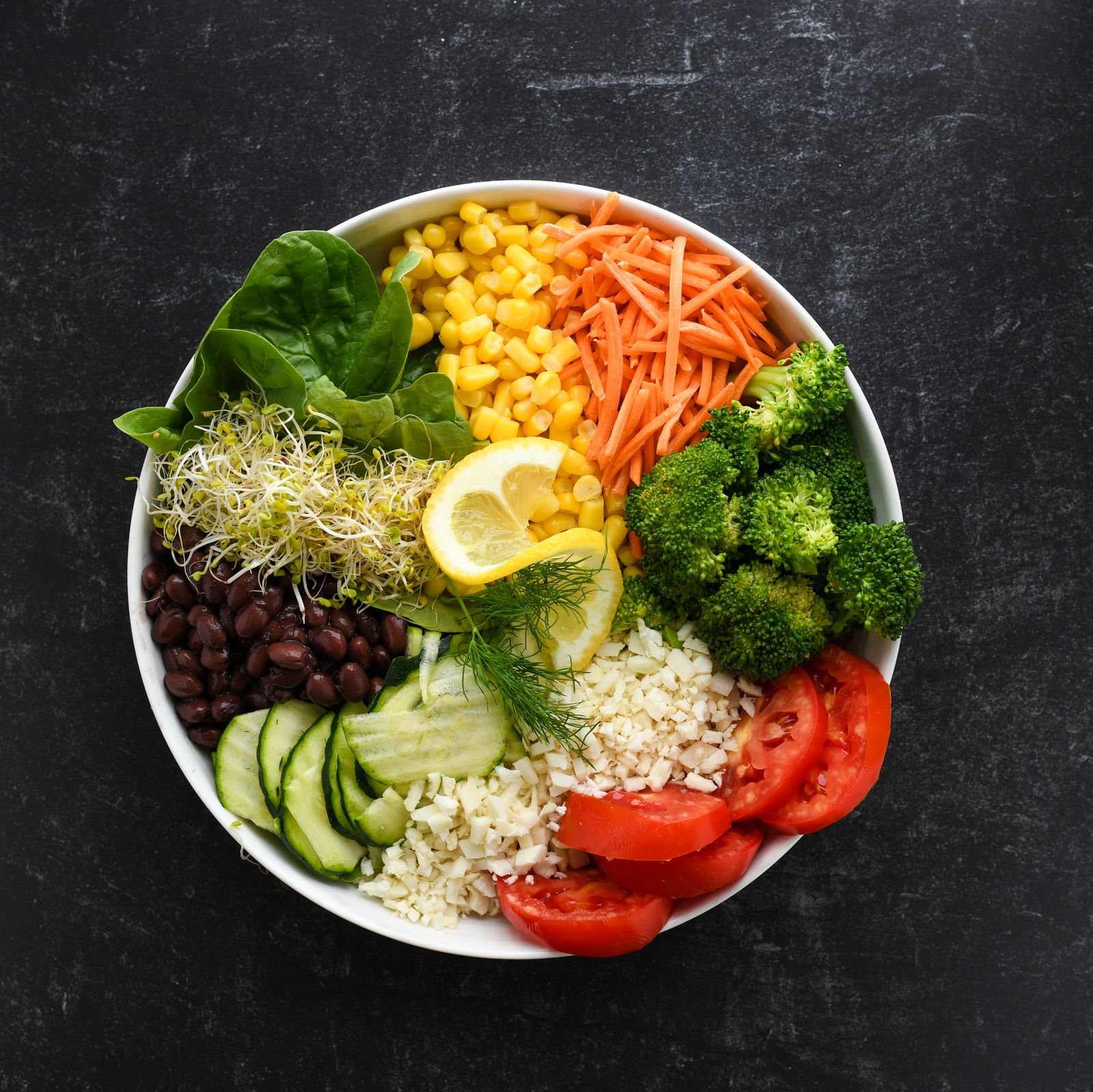
Foods That May Help Strengthen Your Immune System
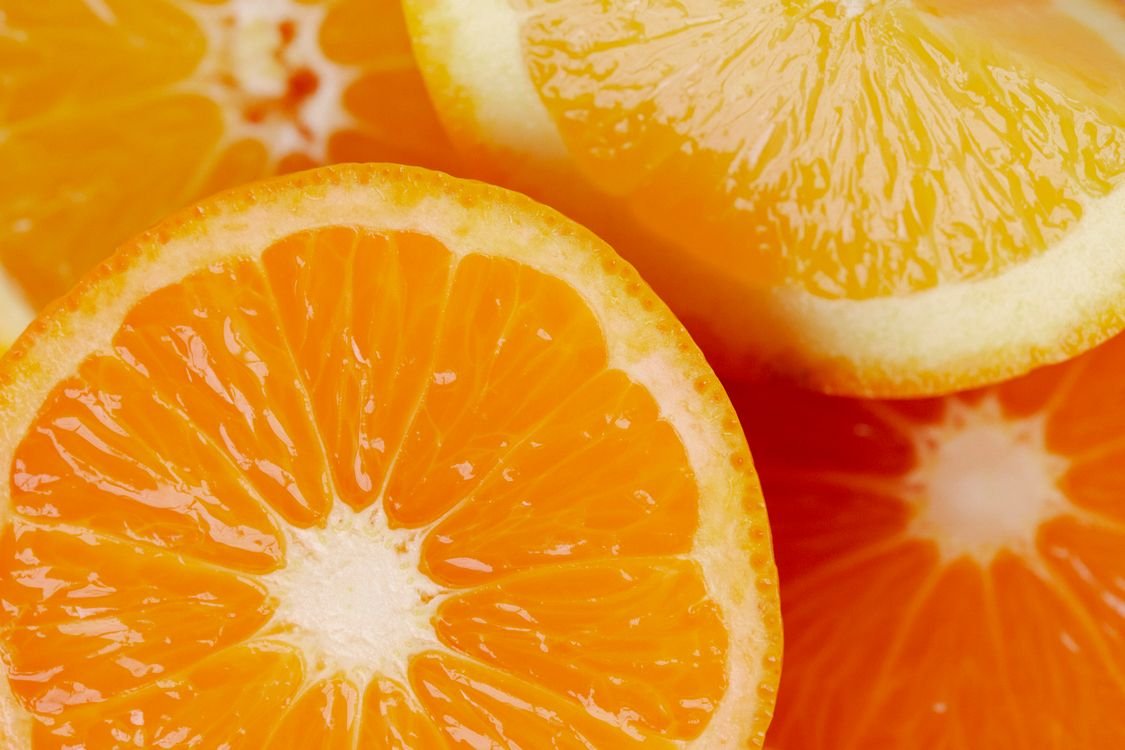
Foods That May Help Strengthen Your Immune System
Foods that strengthen your immune system

A strong immune system is one of the most important foundations of good health. It helps protect the body from infections, supports recovery after illness, and plays a key role in overall well-being. While no single food can guarantee complete protection against disease, a balanced diet rich in essential nutrients can help your immune system function at its best.

Certain foods are particularly beneficial because they contain vitamins, minerals, antioxidants, and other natural compounds that support immune health. Adding these foods to your regular diet may help strengthen your body’s natural defenses and promote long-term wellness.

Why Nutrition Matters for Immunity

The immune system relies on many different nutrients to function properly. Deficiencies in key vitamins and minerals may weaken immune response, while adequate nutrition helps the body defend itself more effectively.

Important immune-supporting nutrients include:

  • Vitamin C – supports the production and function of immune cells.
  • Vitamin D – helps regulate immune responses.
  • Vitamin A – maintains healthy skin and mucous membranes.
  • Vitamin E – acts as a powerful antioxidant.
  • Zinc – supports immune cell development and wound healing.
  • Iron – helps carry oxygen to immune cells.
  • Selenium – protects cells from oxidative damage.
  • Protein – provides building blocks for immune cells and antibodies.
  • Probiotics – support gut health, which is closely linked to immunity.

Eating a varied diet filled with whole foods is one of the most effective ways to obtain these nutrients naturally.

1. Citrus Fruits

Citrus fruits such as oranges, grapefruits, lemons, limes, and tangerines are excellent sources of vitamin C. Vitamin C supports the production of white blood cells, which help protect the body against infections.

Because the body doesn’t store vitamin C, it’s important to include vitamin C-rich foods in your daily diet.

2. Bell Peppers

Bell peppers—especially red bell peppers—are one of the richest sources of vitamin C. They also contain beta-carotene, which supports healthy vision and immune function.

Eating them raw or lightly cooked helps preserve their vitamin content.

3. Broccoli

Broccoli is packed with vitamins A, C, and E, along with fiber, antioxidants, and plant compounds that support overall immune health.

Light steaming or eating broccoli raw helps preserve the most nutrients.

4. Garlic

Garlic has been used for centuries for its potential health benefits. It contains allicin, a sulfur compound that may help support immune function.

Some research suggests that garlic may help reduce the frequency or severity of common colds.

5. Ginger

Ginger is known for its anti-inflammatory and antioxidant properties. It may help reduce inflammation, support digestive health, and provide comfort during colds or sore throats.

Fresh ginger can be added to teas, smoothies, soups, and stir-fries.

6. Spinach

Spinach is rich in vitamin C, beta-carotene, iron, and antioxidants. These nutrients help support immune function while protecting cells from damage.

Light cooking helps release vitamin A while preserving other important nutrients.

7. Yogurt

Yogurt containing live and active cultures provides probiotics that support gut health. Since much of the immune system is connected to the digestive system, maintaining healthy gut bacteria is important for immune strength.

Choose plain yogurt without added sugar and add fresh fruit for natural sweetness.

8. Almonds

Almonds are an excellent source of vitamin E, a fat-soluble antioxidant that helps protect immune cells from damage.

A small handful of almonds each day provides healthy fats, protein, and important nutrients.

9. Turmeric

Turmeric contains curcumin, a compound known for its anti-inflammatory and antioxidant effects. These properties may help support a healthy immune response.

Adding black pepper can improve the absorption of curcumin.

10. Green Tea

Green tea contains antioxidants called catechins, along with the amino acid L-theanine, which may help support immune function.

Drinking green tea regularly can be a healthy way to stay hydrated while obtaining beneficial plant compounds.

Additional Foods That Support Immunity

Many other nutritious foods can also help strengthen the immune system, including:

  • Blueberries and strawberries
  • Papaya and kiwi
  • Sweet potatoes
  • Carrots
  • Mushrooms
  • Sunflower seeds
  • Oats
  • Lean poultry and fish
  • Lentils and beans

A colorful, varied diet provides the broadest range of immune-supporting nutrients.

Healthy Habits That Support the Immune System

Food alone isn’t enough. These lifestyle habits also play an important role:

  • Get 7–9 hours of quality sleep each night.
  • Stay physically active with regular exercise.
  • Drink enough water throughout the day.
  • Manage stress through relaxation techniques.
  • Avoid smoking and limit alcohol consumption.
  • Practice good hygiene, such as regular handwashing.

Combining nutritious foods with healthy habits provides the strongest foundation for immune health.

Foods and Habits That May Weaken Immunity

Certain dietary and lifestyle patterns may negatively affect immune function, including:

  • Excessive added sugar
  • Highly processed foods
  • Too much alcohol
  • Chronic lack of sleep
  • Ongoing unmanaged stress
  • Insufficient hydration

Reducing these factors while focusing on nutrient-rich foods can help maintain a stronger immune response.

Conclusion

Strengthening your immune system starts with consistent, healthy choices. Foods rich in vitamins C, D, A, and E—along with zinc, iron, selenium, protein, and probiotics—help support your body’s natural defenses.

There is no magic food that guarantees immunity, but a balanced diet filled with fruits, vegetables, whole grains, lean proteins, and healthy fats can make a meaningful difference over time. Combined with quality sleep, regular exercise, stress management, and good hydration, nutritious foods help your immune system stay strong and ready to protect your health.

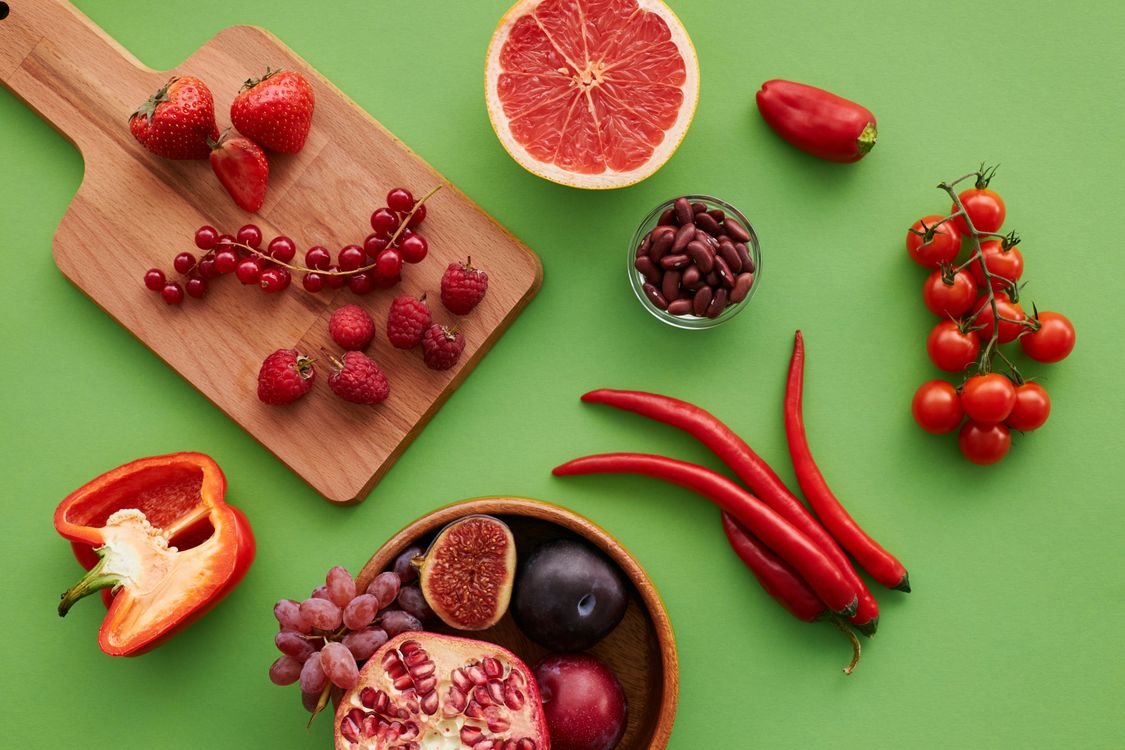
Healthy Snack Ideas for Busy People

Healthy Snack Ideas for Busy People
Healthy snack ideas for busy people

Busy schedules often make it difficult to maintain healthy eating habits. Between work, school, family responsibilities, and daily errands, many people reach for convenient processed snacks that are high in sugar, unhealthy fats, and sodium. While these foods may provide a quick burst of energy, they often lead to energy crashes and leave you feeling hungry again soon after.

The good news is that healthy snacking doesn’t have to be complicated or time-consuming. Choosing nutrient-dense snacks can help you stay energized, improve concentration, support weight management, and keep hunger under control between meals. With a little planning, you can enjoy delicious snacks that nourish your body and fit into even the busiest lifestyle.

Why Healthy Snacking Matters

Healthy snacks serve an important purpose in a balanced diet. They help maintain steady energy levels, prevent overeating at mealtimes, and provide essential nutrients that your body needs throughout the day.

Nutritious snacks can also:

  • Support stable blood sugar levels.
  • Improve focus and productivity.
  • Reduce cravings for unhealthy foods.
  • Provide vitamins, minerals, fiber, and protein.
  • Help maintain a healthy weight.
  • Keep you satisfied between meals.

The key is choosing snacks that combine protein, healthy fats, and fiber instead of refined carbohydrates and added sugars.

1. Fresh Fruit with Nut Butter

Fresh fruits like apples, bananas, pears, or sliced strawberries pair perfectly with natural peanut, almond, or cashew butter. This combination provides natural carbohydrates for energy, healthy fats, protein, and fiber that help keep you full longer.

Choose nut butters without added sugar or hydrogenated oils whenever possible.

2. Greek Yogurt with Berries

Greek yogurt is packed with protein and calcium, while berries provide antioxidants, vitamin C, and fiber. Together, they create a satisfying snack that supports muscle health and digestive wellness.

For extra crunch, sprinkle a small amount of granola or chopped nuts on top.

3. Mixed Nuts

A handful of unsalted almonds, walnuts, pistachios, or cashews makes an excellent portable snack. Nuts are rich in healthy fats, protein, magnesium, and antioxidants.

Because they are calorie-dense, stick to moderate portions—about one small handful.

4. Vegetable Sticks with Hummus

Carrot sticks, cucumber slices, celery, bell peppers, and cherry tomatoes pair wonderfully with hummus. This snack provides fiber, plant-based protein, and healthy fats while helping you eat more vegetables throughout the day.

Prepare containers in advance for quick grab-and-go convenience.

5. Hard-Boiled Eggs

Hard-boiled eggs are one of the easiest high-protein snacks available. They contain essential amino acids, vitamin D, vitamin B12, and choline, a nutrient important for brain health.

Prepare several eggs at the beginning of the week for easy access.

6. Cottage Cheese with Fruit

Cottage cheese offers plenty of protein while fruits such as pineapple, peaches, or berries add natural sweetness and important vitamins.

This snack works well as a mid-morning or afternoon energy boost.

7. Whole-Grain Crackers with Cheese

Whole-grain crackers combined with low-fat cheese provide carbohydrates, protein, and calcium. This balanced combination helps satisfy hunger while providing steady energy.

Choose whole-grain options with minimal added ingredients.

8. Homemade Trail Mix

Create your own trail mix using unsalted nuts, seeds, and a small amount of dried fruit. Homemade versions allow you to control sugar and sodium while providing a balanced mix of nutrients.

Avoid candy-coated varieties that contain excessive added sugars.

9. Smoothies

A quick smoothie made with fruit, spinach, Greek yogurt, milk, or a plant-based alternative can be an excellent portable snack.

Adding chia seeds, flaxseeds, or oats increases fiber and makes the smoothie even more filling.

10. Roasted Chickpeas

Roasted chickpeas are crunchy, flavorful, and rich in plant-based protein and fiber. They are easy to prepare at home using olive oil and your favorite herbs and spices.

Store them in airtight containers for convenient snacking.

11. Popcorn

Air-popped popcorn is a whole grain that’s naturally high in fiber and low in calories when prepared without excessive butter or salt.

Season it with herbs, garlic powder, paprika, or nutritional yeast for extra flavor.

12. Avocado on Whole-Grain Toast

Avocados provide heart-healthy monounsaturated fats, while whole-grain bread offers fiber and complex carbohydrates.

This snack is satisfying enough to keep hunger away during long workdays.

13. Energy Bites

Homemade energy bites made from oats, nut butter, chia seeds, flaxseeds, and a touch of honey are simple to prepare and easy to carry.

They offer a combination of carbohydrates, healthy fats, and protein for lasting energy.

14. Edamame

Steamed edamame is rich in plant protein, fiber, folate, and iron. It’s a filling snack that takes only a few minutes to prepare from frozen.

A light sprinkle of sea salt or chili flakes adds extra flavor.

15. Dark Chocolate with Nuts

If you’re craving something sweet, enjoy a small piece of dark chocolate (70% cocoa or higher) alongside a handful of almonds or walnuts.

This combination satisfies sweet cravings while providing antioxidants and healthy fats.

Tips for Healthy Snacking on a Busy Schedule

Planning ahead makes healthy choices much easier. Here are a few practical tips:

  • Prepare snacks in advance each week.
  • Carry healthy snacks in your bag or car.
  • Keep fresh fruit visible at home and work.
  • Read nutrition labels and avoid snacks high in added sugars.
  • Choose snacks with protein and fiber for better fullness.
  • Stay hydrated, as thirst can sometimes be mistaken for hunger.
  • Portion snacks into small containers to avoid overeating.

Having nutritious options readily available reduces the temptation to choose processed convenience foods.

Common Snacking Mistakes to Avoid

Even healthy snacks can become less beneficial if consumed mindlessly. Avoid these common habits:

  • Eating directly from large packages.
  • Choosing snacks with excessive added sugar.
  • Skipping meals and relying only on snacks.
  • Ignoring portion sizes.
  • Snacking out of boredom instead of genuine hunger.

Mindful eating helps you enjoy your food while recognizing when you’re comfortably full.

Conclusion

Healthy snacking is an effective way to fuel your body, maintain steady energy, and support overall wellness—especially when life gets busy. By choosing nutrient-rich options such as fruits, vegetables, nuts, yogurt, eggs, hummus, and whole grains, you can satisfy hunger while providing your body with the nutrients it needs.

Remember that healthy eating isn’t about perfection. Small, consistent choices can have a lasting impact on your health. Keep a variety of wholesome snacks on hand, plan ahead whenever possible, and enjoy foods that help you stay energized, focused, and ready to tackle your busy day.

The Benefits of Eating More Fruits and Vegetables

The Benefits of Eating More Fruits and Vegetables
Benefits of eating more fruits and vegetables

Eating a diet rich in fruits and vegetables is one of the simplest and most effective ways to improve your overall health. These natural foods are packed with essential vitamins, minerals, antioxidants, fiber, and plant compounds that support nearly every system in the body. Whether your goal is to maintain a healthy weight, strengthen your immune system, improve digestion, or reduce the risk of chronic diseases, adding more fruits and vegetables to your daily meals can make a significant difference.

Despite their well-known health benefits, many people still do not consume the recommended daily servings. Making fruits and vegetables a regular part of your diet doesn’t have to be difficult. Small changes, such as adding berries to breakfast, including a salad with lunch, or snacking on fresh fruit, can help you enjoy their many benefits while creating healthier eating habits.

Why Fruits and Vegetables Are Essential

Fruits and vegetables provide a wide range of nutrients that your body needs to function properly. Unlike many processed foods, they are naturally low in calories while being rich in vitamins, minerals, fiber, and water. This combination helps nourish the body without adding excessive calories or unhealthy fats.

They also contain phytochemicals, which are natural plant compounds that help protect cells from damage caused by free radicals. These antioxidants play an important role in supporting long-term health and reducing inflammation.

1. Rich Source of Essential Nutrients

Different fruits and vegetables offer different nutritional benefits. For example:

  • Citrus fruits provide vitamin C, which supports the immune system.
  • Carrots and sweet potatoes are rich in vitamin A, promoting healthy vision.
  • Leafy greens contain vitamin K, folate, calcium, and iron.
  • Bananas supply potassium, which supports heart and muscle function.
  • Tomatoes contain lycopene, a powerful antioxidant.

Eating a variety of colorful produce helps ensure your body receives a broad range of nutrients.

2. Supports a Healthy Immune System

A strong immune system depends on adequate nutrition. Many fruits and vegetables are excellent sources of vitamins A, C, and E, along with zinc-supporting nutrients and antioxidants that help the body defend itself against illness.

Regularly consuming nutrient-rich foods may help your immune system function more effectively while supporting the body’s natural healing processes.

3. Promotes Heart Health

Heart disease remains one of the leading causes of illness worldwide, but diet plays an important role in heart health. Fruits and vegetables are naturally low in saturated fat and sodium while providing fiber, potassium, and antioxidants that support healthy blood pressure and cholesterol levels.

Foods such as berries, spinach, avocados, oranges, tomatoes, and leafy greens are particularly beneficial as part of a heart-friendly eating pattern.

4. Helps Maintain a Healthy Weight

Fruits and vegetables are generally low in calories and high in fiber, making them filling without contributing excessive energy intake. Fiber slows digestion, helping you stay satisfied for longer periods and reducing the temptation to snack on highly processed foods.

Replacing calorie-dense snacks with fresh fruits or vegetables can support healthy weight management over time.

5. Improves Digestive Health

Dietary fiber is essential for a healthy digestive system. Fruits and vegetables provide both soluble and insoluble fiber, which helps maintain regular bowel movements, supports beneficial gut bacteria, and promotes digestive comfort.

Examples of fiber-rich choices include apples, pears, broccoli, carrots, beans, berries, and leafy greens.

6. Supports Healthy Skin

Healthy skin reflects good nutrition. Vitamins C and E, beta-carotene, and antioxidants found in fruits and vegetables help support collagen production and protect skin cells from environmental damage.

Hydrating fruits such as watermelon, oranges, strawberries, and cucumbers also contribute to healthy-looking skin by supporting proper hydration.

7. May Reduce the Risk of Chronic Diseases

Research consistently shows that diets rich in fruits and vegetables are associated with a lower risk of several chronic health conditions, including:

  • Heart disease
  • High blood pressure
  • Type 2 diabetes
  • Certain types of cancer
  • Obesity

While no single food can prevent disease, regularly consuming a wide variety of plant foods contributes to overall health and may lower long-term health risks.

8. Supports Brain Function

Certain nutrients found in fruits and vegetables help support healthy brain function. Antioxidants may help protect brain cells from oxidative stress, while vitamins, minerals, and natural plant compounds contribute to cognitive health.

Blueberries, leafy greens, broccoli, oranges, and avocados are among the foods often included in brain-healthy dietary patterns.

9. Provides Natural Energy

Unlike sugary snacks that cause rapid spikes and crashes in blood sugar, fruits provide natural sugars along with fiber, vitamins, and water. This combination offers a steadier source of energy throughout the day.

Bananas, apples, grapes, oranges, and berries make excellent snacks before work, school, or exercise.

10. Encourages Healthy Aging

As people age, maintaining good nutrition becomes increasingly important. Fruits and vegetables provide antioxidants that help protect cells from age-related damage while supplying nutrients needed for healthy bones, eyes, muscles, and the immune system.

A colorful, plant-rich diet supports healthy aging and contributes to maintaining quality of life over the years.

Easy Ways to Eat More Fruits and Vegetables

Increasing your intake doesn’t require major changes. Here are some practical ideas:

  • Add fruit to your breakfast cereal or oatmeal.
  • Blend spinach or berries into smoothies.
  • Include a salad with lunch or dinner.
  • Keep washed fruit visible for easy snacking.
  • Replace chips with sliced vegetables and hummus.
  • Add extra vegetables to soups, pasta dishes, and stir-fries.
  • Choose fruit for dessert instead of sugary treats.
  • Experiment with seasonal produce to add variety.

Small improvements made consistently often lead to lasting healthy habits.

How Many Servings Should You Eat?

Many health organizations recommend aiming for at least five servings of fruits and vegetables each day. A balanced goal might include:

  • Two servings of fruit
  • Three or more servings of vegetables

Choosing a variety of colors—such as red, orange, yellow, green, blue, and purple—helps maximize the range of nutrients and antioxidants you consume.

Conclusion

Eating more fruits and vegetables is one of the best investments you can make in your long-term health. They provide essential nutrients, support heart and digestive health, strengthen the immune system, promote healthy weight management, and may reduce the risk of chronic diseases.

Rather than focusing on restrictive diets, aim to fill your plate with colorful, whole foods every day. Even small increases in fruit and vegetable intake can have meaningful health benefits over time. By making these nutrient-rich foods a regular part of your meals and snacks, you can enjoy better energy, improved well-being, and a healthier future.

How Much Water Should You Really Drink Each Day?

How Much Water Should You Really Drink Each Day?
How much water to drink each day

Water is essential for life. Every cell, tissue, and organ in your body depends on it to function properly. From regulating body temperature and transporting nutrients to supporting digestion and removing waste, staying hydrated plays a critical role in overall health. Despite its importance, many people are unsure about how much water they should actually drink each day.

You may have heard the popular advice to drink eight glasses of water daily, but hydration needs vary widely from person to person. Factors such as age, activity level, climate, diet, and overall health all influence how much fluid your body requires. Understanding these factors can help you develop healthy hydration habits that work for your lifestyle.

Why Water Is So Important

Your body is made up of roughly 50% to 70% water, depending on age, sex, and body composition. Water supports numerous vital functions, including:

  • Maintaining normal body temperature
  • Lubricating joints
  • Delivering nutrients and oxygen to cells
  • Supporting kidney function and waste removal
  • Aiding digestion and preventing constipation
  • Keeping skin, eyes, and mouth hydrated
  • Helping the brain and muscles perform efficiently

Even mild dehydration can affect concentration, mood, energy levels, and physical performance.

Is the “8 Glasses a Day” Rule Accurate?

The recommendation to drink eight 8-ounce glasses of water per day—often called the “8×8 rule”—is easy to remember, but it is not a universal requirement. While this amount may be suitable for some individuals, others may need more or less depending on their circumstances.

Many experts suggest focusing on total fluid intake rather than water alone. Fluids come from drinking water, milk, tea, coffee, soups, and water-rich foods such as fruits and vegetables.

General Daily Fluid Recommendations

Although individual needs differ, these general guidelines can serve as a starting point:

  • Adult men often need around 3.7 liters (about 125 ounces) of total fluids per day.
  • Adult women often need around 2.7 liters (about 91 ounces) of total fluids per day.
  • Pregnant and breastfeeding individuals typically require additional fluids to support their bodies and their babies.

These estimates include fluids obtained from both beverages and food.

Factors That Affect Your Water Needs

Physical Activity

Exercise increases fluid loss through sweat. If you engage in intense workouts or spend extended periods outdoors, you may need extra water before, during, and after activity to replace lost fluids.

Climate and Weather

Hot, humid conditions can increase sweating and raise hydration needs. Even in cold weather, people can lose significant amounts of water through breathing and physical activity.

Diet

Foods high in water, such as cucumbers, watermelon, oranges, tomatoes, and lettuce, contribute to hydration. On the other hand, diets high in salt or protein may increase fluid requirements for some people.

Health Conditions

Vomiting, diarrhea, fever, and certain medical conditions can increase fluid losses. Some medications may also affect hydration status. People with specific health concerns should follow guidance from their healthcare provider regarding fluid intake.

Age

Children, older adults, and athletes may have different hydration needs. Older adults, in particular, may not feel thirsty as readily and should pay attention to drinking fluids regularly.

Can You Drink Too Much Water?

While staying hydrated is important, drinking excessive amounts of water in a short period can dilute sodium levels in the blood, leading to a rare but potentially serious condition called water intoxication or hyponatremia.

For most healthy individuals, this is uncommon and usually occurs only when extremely large quantities of water are consumed rapidly. Drinking according to thirst and increasing intake appropriately during prolonged exercise can help maintain balance.

Signs You May Not Be Drinking Enough

Common symptoms of inadequate hydration include:

  • Feeling thirsty
  • Dark yellow urine
  • Dry mouth or lips
  • Headaches
  • Fatigue or low energy
  • Dizziness
  • Difficulty concentrating
  • Reduced urination

Pale yellow urine is often a practical indicator of good hydration, although certain foods, supplements, and medications can affect urine color.

Easy Ways to Stay Hydrated

Developing healthy hydration habits doesn’t have to be difficult. Consider these practical tips:

  1. Start your morning with a glass of water.
  2. Carry a reusable water bottle throughout the day.
  3. Drink water with meals and snacks.
  4. Eat water-rich fruits and vegetables regularly.
  5. Increase fluid intake during exercise or hot weather.
  6. Flavor water naturally with lemon, cucumber, or berries if plain water feels boring.
  7. Set reminders if you often forget to drink.

Small, consistent habits are usually more sustainable than trying to drink large amounts all at once.

Do Coffee and Tea Count?

Yes. Coffee and tea contribute to your daily fluid intake despite containing caffeine. While caffeine has a mild diuretic effect, moderate consumption generally provides more fluid than it removes in people who consume it regularly.

Unsweetened beverages can be part of a healthy hydration routine, though water remains an excellent choice because it contains no added sugars or calories.

Hydration From Food

Approximately 20% of many people’s daily fluid intake comes from food. Some excellent water-rich foods include:

  • Watermelon
  • Strawberries
  • Cucumbers
  • Celery
  • Tomatoes
  • Oranges
  • Lettuce
  • Zucchini
  • Soups and broths

Including these foods in your diet can help support hydration while also providing vitamins, minerals, and fiber.

Conclusion

There is no one-size-fits-all answer to how much water you should drink each day. While general recommendations offer useful guidance, your personal needs depend on your activity level, environment, diet, age, and overall health.

The best approach is to drink fluids consistently throughout the day, pay attention to your body’s thirst signals, and adjust your intake when conditions change. By making hydration a regular part of your daily routine, you can support energy levels, digestion, physical performance, and overall well-being for years to come.

15 Superfoods That Support Overall Health

15 Superfoods That Support Overall Health
15 superfoods for overall health

Maintaining good health starts with the foods you eat every day. While no single food can provide every nutrient your body needs, certain nutrient-dense foods—often called superfoods—offer exceptional health benefits. Packed with vitamins, minerals, antioxidants, healthy fats, and fiber, these foods can help support your immune system, improve heart health, boost brain function, and promote overall well-being.

Incorporating a variety of superfoods into your daily meals is a simple and effective way to nourish your body naturally. Here are 15 superfoods that can play an important role in supporting long-term health.

1. Blueberries

Blueberries are rich in antioxidants, particularly anthocyanins, which help protect cells from oxidative stress. They are also an excellent source of vitamin C, vitamin K, and dietary fiber. Regular consumption may support brain health, improve memory, and contribute to cardiovascular wellness.

Add blueberries to smoothies, yogurt, oatmeal, or enjoy them as a healthy snack.

2. Spinach

Spinach is one of the most nutrient-packed leafy greens available. It contains iron, calcium, magnesium, potassium, folate, and vitamins A, C, and K. Its antioxidants help combat inflammation while supporting healthy vision and bone strength.

Fresh spinach works well in salads, soups, omelets, and smoothies.

3. Salmon

Salmon is well known for its high content of omega-3 fatty acids, which are beneficial for heart and brain health. It also provides high-quality protein, vitamin D, and selenium. Eating fatty fish regularly may support healthy cholesterol levels and reduce inflammation.

Grilled, baked, or pan-seared salmon makes a nutritious addition to weekly meal plans.

4. Avocados

Avocados provide heart-healthy monounsaturated fats along with potassium, fiber, and several essential vitamins. Their healthy fats help improve nutrient absorption from other foods while supporting cardiovascular health and satiety.

Spread avocado on whole-grain toast or add slices to salads and sandwiches.

5. Chia Seeds

These tiny seeds are loaded with fiber, plant-based protein, omega-3 fatty acids, and important minerals such as calcium and magnesium. Chia seeds absorb liquid and create a gel-like texture, making them ideal for puddings or smoothies.

They can also be sprinkled over cereal, yogurt, or oatmeal.

6. Greek Yogurt

Greek yogurt contains protein, calcium, and probiotics that help support digestive health. The beneficial bacteria in probiotic-rich foods may contribute to a balanced gut microbiome, which plays an important role in immunity and nutrient absorption.

Choose plain, unsweetened varieties to avoid excess added sugar.

7. Walnuts

Walnuts are packed with healthy fats, antioxidants, and plant compounds that support heart and brain health. They also provide protein and fiber, making them a satisfying snack.

A small handful of walnuts can be enjoyed on its own or mixed into salads and oatmeal.

8. Broccoli

Broccoli is an excellent source of fiber, vitamin C, vitamin K, and compounds that may help support the body’s natural defense systems. It is low in calories yet highly nutritious, making it a valuable addition to balanced diets.

Steamed or roasted broccoli pairs well with many meals.

9. Sweet Potatoes

Rich in beta-carotene, fiber, and potassium, sweet potatoes provide long-lasting energy while supporting eye health and immune function. Their natural sweetness also makes them a healthier alternative to processed side dishes.

Bake or roast them with herbs for a flavorful meal.

10. Oats

Oats are known for their soluble fiber, particularly beta-glucan, which can help maintain healthy cholesterol levels and promote digestive health. They also provide steady energy throughout the morning.

A bowl of oatmeal topped with fruit and nuts creates a nutritious breakfast.

11. Garlic

Garlic has been valued for centuries for both its flavor and potential health-promoting properties. It contains sulfur compounds that may support immune function and cardiovascular health when included as part of a balanced diet.

Fresh garlic enhances soups, sauces, vegetables, and roasted meats.

12. Green Tea

Green tea contains natural antioxidants called catechins, which help protect cells from damage. It may also provide a gentle caffeine boost while supporting metabolism and overall wellness.

Replacing sugary beverages with unsweetened green tea can be a simple healthy habit.

13. Lentils

Lentils are an affordable source of plant-based protein, fiber, iron, and folate. They promote fullness, support digestive health, and contribute important nutrients for overall wellness.

They can be used in soups, curries, salads, and grain bowls.

14. Tomatoes

Tomatoes are rich in vitamin C, potassium, and lycopene, a powerful antioxidant associated with heart and skin health. Cooking tomatoes may increase the availability of lycopene, making tomato sauces and soups nutritious choices.

Fresh tomatoes also add flavor to salads and sandwiches.

15. Dark Chocolate

High-quality dark chocolate with a high cocoa content contains antioxidants known as flavonoids. When consumed in moderation, it may support cardiovascular health and provide a satisfying alternative to highly processed desserts.

Choose varieties with at least 70% cocoa and enjoy small portions.

Tips for Including Superfoods in Your Diet

Adding superfoods doesn’t require a complete diet overhaul. Start by making gradual changes:

  • Include berries or oats in your breakfast.
  • Add leafy greens to sandwiches and smoothies.
  • Replace processed snacks with nuts or Greek yogurt.
  • Eat fish such as salmon once or twice a week.
  • Use beans or lentils in soups and stews.
  • Drink unsweetened green tea instead of sugary beverages.
  • Incorporate colorful vegetables into lunch and dinner.

Remember that overall dietary patterns matter more than any single ingredient. Combining a variety of nutrient-rich foods provides the broadest range of health benefits.

Conclusion

Superfoods offer an easy and delicious way to improve your nutritional intake and support overall health. Foods such as blueberries, spinach, salmon, walnuts, oats, lentils, and broccoli provide valuable vitamins, minerals, healthy fats, and antioxidants that help your body function at its best.

Rather than relying on supplements or fad diets, focus on eating a balanced, diverse diet filled with whole foods. By consistently incorporating these 15 superfoods into your meals, you can build healthy habits that contribute to better energy, stronger immunity, improved heart health, and long-term wellness.