What Is Pneumonia?

What Is Pneumonia?
What is pneumonia

Pneumonia is a lung infection that causes inflammation in one or both lungs. The infection can fill the tiny air sacs in the lungs, known as alveoli, with fluid or pus, making it difficult for oxygen to reach the bloodstream. As a result, people with pneumonia may experience coughing, fever, chest pain, and difficulty breathing.

Pneumonia can affect people of all ages, but it is especially serious in young children, older adults, pregnant women, and individuals with weakened immune systems or chronic health conditions. While many cases are mild and recover with proper treatment, severe pneumonia can become life-threatening if left untreated. Understanding its causes, symptoms, and treatment options is essential for protecting lung health.

How the Lungs Work

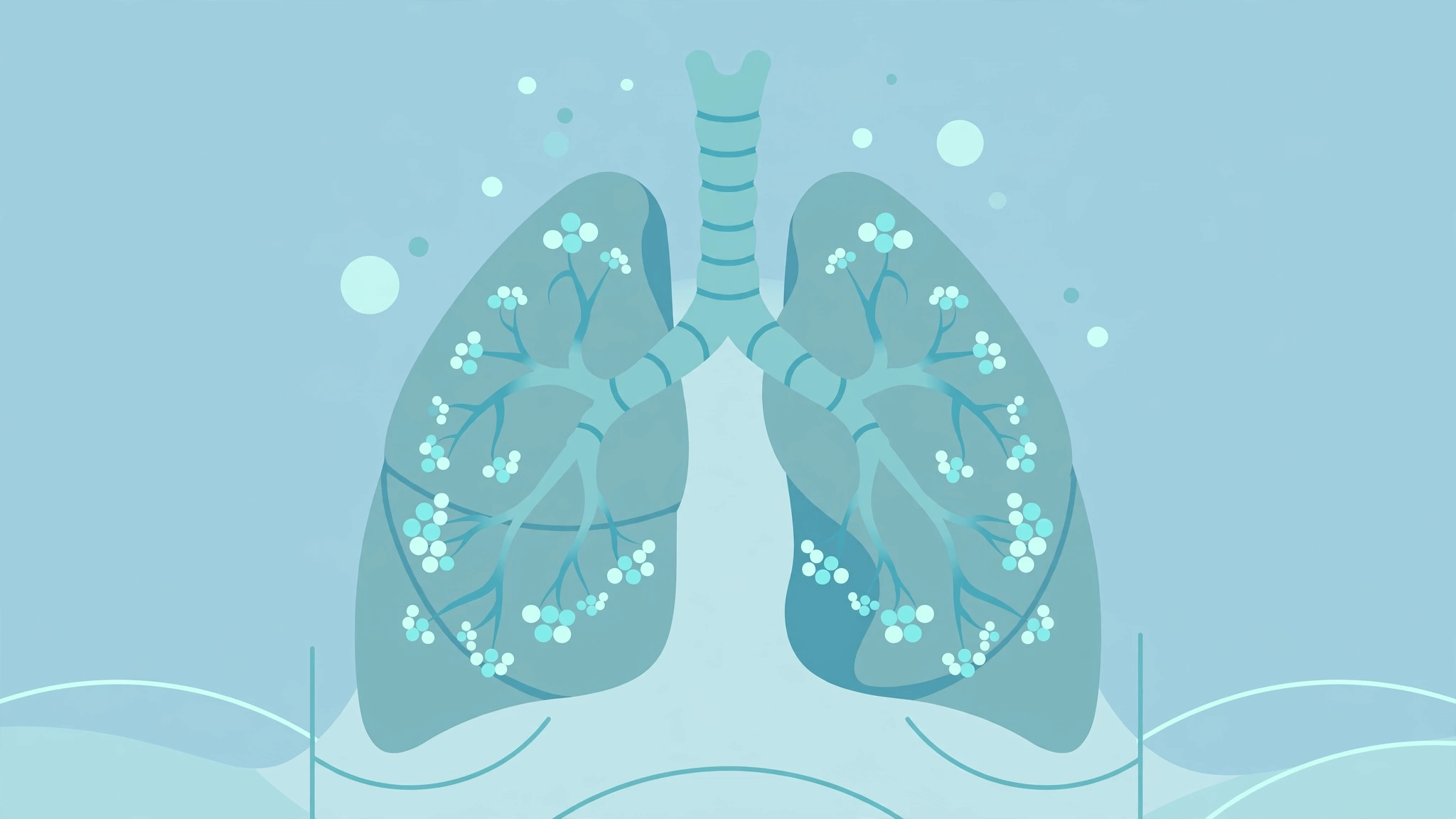
The lungs are responsible for supplying oxygen to the body and removing carbon dioxide. Inside the lungs are millions of tiny air sacs where oxygen enters the bloodstream.

When pneumonia develops, these air sacs become inflamed and may fill with fluid, reducing the lungs’ ability to exchange oxygen efficiently. This can make breathing difficult and place extra strain on the body.

What Causes Pneumonia?

Pneumonia can be caused by various microorganisms, including bacteria, viruses, and fungi.

Bacterial Pneumonia

Bacterial pneumonia is one of the most common types, particularly in adults. It may develop on its own or after a cold or influenza.

Viral Pneumonia

Viruses that cause colds, influenza, or other respiratory illnesses can also lead to pneumonia. Viral pneumonia is often milder than bacterial pneumonia but may become serious in some individuals.

Fungal Pneumonia

Fungal pneumonia is less common and usually affects people with weakened immune systems or those exposed to certain environmental fungi.

Risk Factors

Several factors increase the risk of developing pneumonia, including:

  • Age under 5 years or over 65 years
  • Smoking
  • Chronic lung diseases such as asthma or chronic obstructive pulmonary disease (COPD)
  • Diabetes
  • Heart disease
  • Weakened immune system
  • Recent respiratory infections
  • Hospitalization, especially with mechanical ventilation
  • Poor nutrition

People with these risk factors should take extra precautions to reduce their risk of infection.

Common Symptoms of Pneumonia

Symptoms can range from mild to severe depending on the cause, age, and overall health of the individual.

Common symptoms include:

  • Persistent cough, sometimes producing mucus
  • Fever
  • Chills
  • Shortness of breath
  • Chest pain that worsens during coughing or deep breathing
  • Fatigue
  • Rapid breathing
  • Sweating
  • Loss of appetite
  • Confusion, particularly in older adults

Young children may also show signs such as poor feeding, irritability, or unusual sleepiness.

How Is Pneumonia Diagnosed?

Healthcare providers diagnose pneumonia using a combination of:

  • Medical history
  • Physical examination
  • Listening to the lungs with a stethoscope
  • Chest X-ray
  • Blood tests
  • Pulse oximetry to measure oxygen levels
  • Sputum testing in certain cases

Additional tests may be recommended for severe infections or people with underlying medical conditions.

Treatment for Pneumonia

Treatment depends on the cause and severity of the infection.

Possible treatments include:

  • Antibiotics for bacterial pneumonia
  • Antiviral medications in selected cases of viral pneumonia
  • Antifungal medications for fungal pneumonia
  • Fever-reducing and pain-relieving medications
  • Adequate rest
  • Drinking plenty of fluids
  • Oxygen therapy for severe cases
  • Hospital care when necessary

Most healthy individuals recover completely with timely treatment, although recovery may take several weeks.

Possible Complications

If left untreated or if the infection is severe, pneumonia can lead to complications such as:

  • Difficulty breathing
  • Fluid accumulation around the lungs
  • Lung abscess
  • Bloodstream infection (sepsis)
  • Respiratory failure

Prompt medical care significantly reduces the risk of these complications.

How to Help Prevent Pneumonia

Several healthy habits can lower the risk of pneumonia:

  • Wash your hands regularly.
  • Avoid smoking and secondhand smoke.
  • Eat a balanced diet to support the immune system.
  • Exercise regularly.
  • Get enough sleep.
  • Stay hydrated.
  • Manage chronic health conditions effectively.
  • Follow recommended vaccinations for respiratory illnesses when advised by a healthcare provider.

Good hygiene and healthy lifestyle choices play an important role in preventing lung infections.

When to Seek Medical Attention

Seek medical care if you experience:

  • High fever that does not improve
  • Persistent cough with thick or bloody mucus
  • Chest pain during breathing
  • Difficulty breathing
  • Blue lips or fingertips
  • Confusion or extreme drowsiness
  • Symptoms that worsen or fail to improve after several days

Immediate medical attention is especially important for infants, older adults, and people with weakened immune systems.

Conclusion

Pneumonia is a common lung infection that causes inflammation and fluid buildup in the air sacs of the lungs, making breathing more difficult. It can result from bacterial, viral, or fungal infections and ranges from mild illness to a life-threatening condition. Recognizing symptoms early, seeking prompt medical care, and following the recommended treatment plan are essential for a full recovery. Maintaining good hygiene, avoiding smoking, managing chronic conditions, and supporting overall health can help reduce the risk of pneumonia and protect long-term lung function.
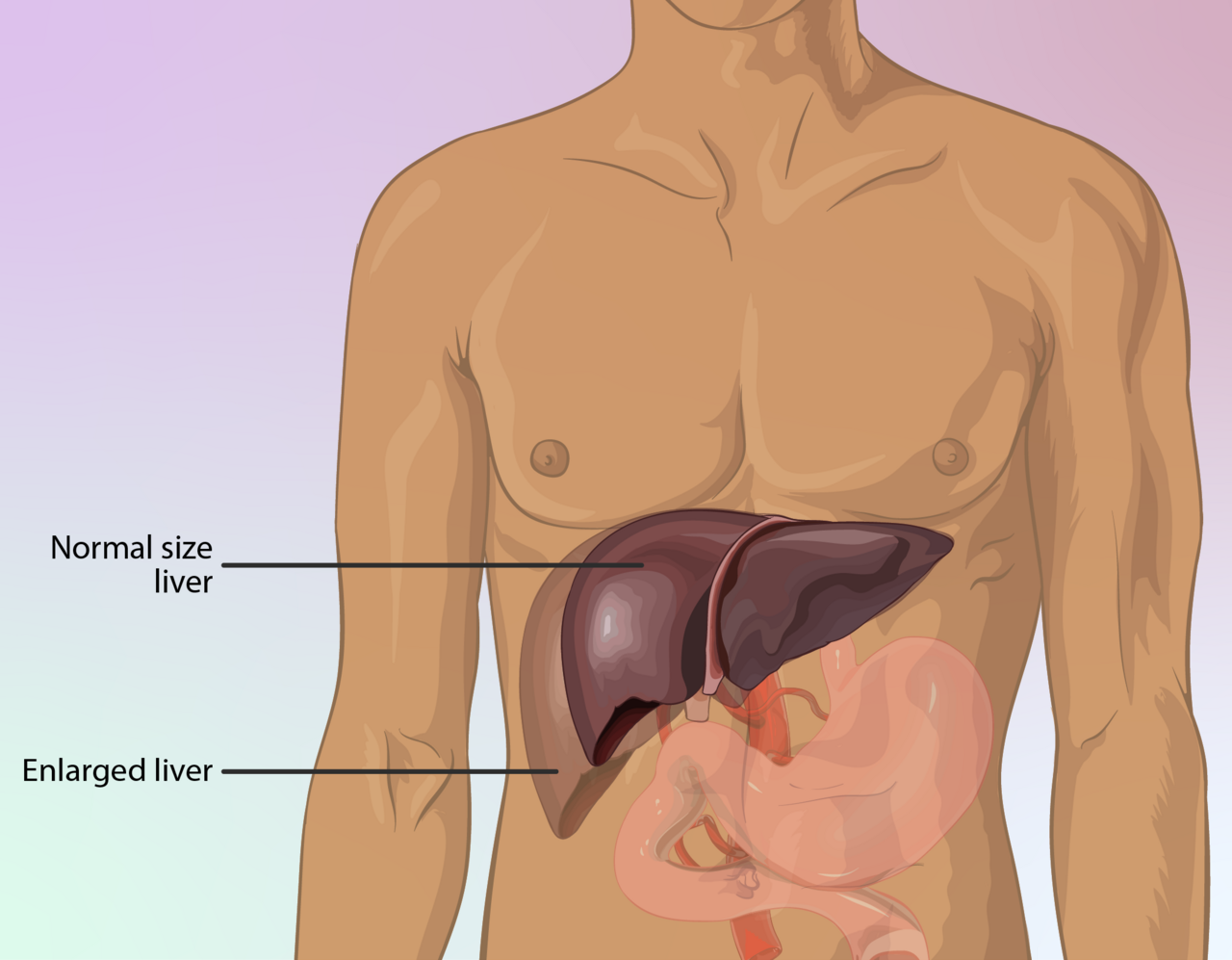
Liver Disease Symptoms

Liver Disease Symptoms
Liver disease symptoms

The liver is one of the largest and most important organs in the human body. It performs hundreds of essential functions, including filtering toxins from the blood, producing bile to aid digestion, storing nutrients, regulating blood sugar levels, and helping the body fight infections. When the liver becomes damaged or diseased, its ability to perform these functions may decline, leading to a wide range of symptoms and health complications.

Liver disease includes many conditions, such as fatty liver disease, hepatitis, cirrhosis, liver infections, and liver cancer. While some liver diseases develop gradually without noticeable symptoms, others may progress more rapidly. Recognizing the warning signs early can help ensure timely diagnosis and treatment.

What Is Liver Disease?

Liver disease refers to any condition that damages the liver or affects its normal function. Some liver conditions are temporary and treatable, while others can become chronic and lead to permanent liver damage if left untreated.

Common causes of liver disease include:

  • Viral infections such as hepatitis
  • Excessive alcohol consumption
  • Non-alcoholic fatty liver disease (NAFLD)
  • Obesity
  • Diabetes
  • Autoimmune diseases
  • Certain medications
  • Genetic disorders

The symptoms of liver disease often depend on the underlying cause and the severity of liver damage.

Early Symptoms of Liver Disease

Many liver diseases cause few or no symptoms in their early stages. As the condition progresses, people may begin to notice changes in their health.

Common early symptoms include:

Fatigue

Persistent tiredness and low energy are among the most common symptoms of liver disease. The liver’s reduced ability to process nutrients and remove toxins may contribute to ongoing fatigue.

Loss of Appetite

People with liver disease may lose interest in food or feel full quickly, which can lead to unintended weight loss.

Nausea and Vomiting

Digestive problems, including nausea and occasional vomiting, may occur as liver function declines.

Abdominal Discomfort

Pain or discomfort in the upper right side of the abdomen, where the liver is located, can be an early warning sign of liver disease.

Advanced Symptoms of Liver Disease

As liver damage becomes more severe, additional symptoms may develop.

Jaundice

Jaundice causes the skin and the whites of the eyes to appear yellow. It occurs when bilirubin, a yellow pigment normally processed by the liver, builds up in the bloodstream.

Dark-Colored Urine

Urine may become darker than usual due to increased bilirubin levels.

Pale or Clay-Colored Stools

Changes in bile production or flow may cause stools to appear pale, gray, or clay-colored.

Swelling in the Abdomen

Fluid accumulation in the abdomen, known as ascites, can cause noticeable swelling and discomfort.

Swelling in the Legs and Ankles

Reduced liver function may lead to fluid retention, causing swelling in the lower limbs.

Itchy Skin

Persistent itching without an obvious cause may occur when bile salts accumulate in the bloodstream.

Easy Bruising and Bleeding

The liver produces proteins that help blood clot. Liver disease may reduce the production of these proteins, making bruising and bleeding more likely.

Confusion or Difficulty Concentrating

Severe liver disease can allow toxins to build up in the bloodstream and affect brain function, leading to confusion, memory problems, or difficulty concentrating.

Common Risk Factors

Several factors increase the risk of developing liver disease, including:

  • Excessive alcohol consumption
  • Obesity
  • Type 2 diabetes
  • Viral hepatitis infections
  • High cholesterol
  • Family history of liver disease
  • Exposure to certain toxins
  • Long-term use of some medications

Reducing these risk factors may help protect liver health.

How Is Liver Disease Diagnosed?

Healthcare providers diagnose liver disease using a combination of:

  • Medical history
  • Physical examination
  • Blood tests that measure liver function
  • Ultrasound or other imaging studies
  • CT scan or MRI in selected cases
  • Liver biopsy when needed

These tests help identify the cause and extent of liver damage.

Treatment Options

Treatment depends on the specific liver disease and its severity.

Management may include:

  • Treating the underlying cause
  • Avoiding alcohol
  • Maintaining a healthy body weight
  • Eating a balanced diet
  • Managing diabetes and cholesterol
  • Medications for viral hepatitis or autoimmune liver disease
  • Regular monitoring of liver function
  • Liver transplantation in advanced cases

Following medical advice can help slow disease progression and improve quality of life.

How to Support Liver Health

Healthy habits can reduce the risk of liver disease and support liver function.

Helpful tips include:

  • Maintain a healthy weight.
  • Eat a diet rich in fruits, vegetables, whole grains, and lean proteins.
  • Limit alcohol consumption.
  • Exercise regularly.
  • Avoid smoking.
  • Use medications only as directed.
  • Get vaccinated against hepatitis when recommended.
  • Practice good hygiene and safe behaviors to reduce the risk of viral hepatitis.
  • Attend regular health checkups.

When to Seek Medical Attention

Consult a healthcare provider if you experience:

  • Yellowing of the skin or eyes
  • Persistent abdominal pain
  • Ongoing fatigue
  • Unexplained weight loss
  • Swelling of the abdomen or legs
  • Dark urine or pale stools
  • Persistent nausea
  • Easy bruising or bleeding

Early diagnosis can help prevent serious complications and improve treatment outcomes.

Conclusion

Liver disease can affect many essential functions of the body and often develops without obvious symptoms in its early stages. Common warning signs include fatigue, loss of appetite, abdominal discomfort, jaundice, swelling, and changes in urine or stool color. Recognizing these symptoms and seeking prompt medical evaluation can lead to earlier diagnosis and more effective treatment. Maintaining a healthy lifestyle, limiting alcohol, managing chronic conditions, and attending regular health checkups are important steps in protecting liver health and reducing the risk of long-term complications.

Kidney Disease Explained

Kidney Disease Explained
Kidney disease explained

Kidney disease is a condition in which the kidneys become damaged and lose their ability to function properly. The kidneys are two bean-shaped organs located on either side of the spine, just below the rib cage. They play a vital role in filtering waste products and excess fluids from the blood, balancing minerals, regulating blood pressure, and producing hormones that support red blood cell production and bone health.

When the kidneys are unable to perform these essential functions effectively, waste and fluids can build up in the body, leading to serious health complications. Kidney disease can develop gradually over many years or occur suddenly due to injury or illness. Early detection and proper treatment are key to slowing its progression and protecting overall health.

What Do the Kidneys Do?

Healthy kidneys perform several important functions, including:

  • Filtering waste products from the blood
  • Removing excess water through urine
  • Balancing electrolytes such as sodium and potassium
  • Regulating blood pressure
  • Producing hormones that stimulate red blood cell production
  • Supporting healthy bones by helping regulate vitamin D and calcium

When kidney function declines, these processes become less effective, affecting many parts of the body.

Types of Kidney Disease

There are several forms of kidney disease, with the two main types being chronic kidney disease and acute kidney injury.

Chronic Kidney Disease (CKD)

Chronic kidney disease develops gradually over months or years. It occurs when the kidneys slowly lose their filtering ability. In the early stages, many people have no symptoms, making regular health checkups especially important.

If left untreated, chronic kidney disease can progress to kidney failure, where the kidneys can no longer adequately support the body’s needs.

Acute Kidney Injury (AKI)

Acute kidney injury is a sudden decline in kidney function that develops over hours or days. It may result from severe dehydration, infections, certain medications, reduced blood flow to the kidneys, or other medical emergencies.

Unlike chronic kidney disease, acute kidney injury may improve if the underlying cause is treated promptly.

Common Causes of Kidney Disease

Several medical conditions and lifestyle factors can increase the risk of kidney disease.

Common causes include:

  • Diabetes
  • High blood pressure
  • Chronic kidney infections
  • Kidney stones
  • Polycystic kidney disease
  • Autoimmune diseases
  • Long-term use of certain pain-relieving medications
  • Urinary tract blockages
  • Severe dehydration
  • Reduced blood flow to the kidneys

Managing these conditions can help reduce the risk of kidney damage.

Symptoms of Kidney Disease

Early kidney disease often develops without noticeable symptoms. As kidney function declines, symptoms may become more apparent.

Common symptoms include:

  • Fatigue
  • Swelling of the feet, ankles, or hands
  • Changes in urination frequency or appearance
  • Foamy urine
  • Blood in the urine
  • Persistent itching
  • Muscle cramps
  • Nausea or vomiting
  • Loss of appetite
  • Difficulty concentrating
  • Shortness of breath
  • High blood pressure

These symptoms can also occur with other medical conditions, so professional evaluation is important.

Risk Factors

Several factors increase the likelihood of developing kidney disease, including:

  • Diabetes
  • High blood pressure
  • Family history of kidney disease
  • Obesity
  • Smoking
  • Older age
  • Heart disease
  • High cholesterol
  • Long-term use of certain medications

People with these risk factors should have regular kidney health evaluations.

How Is Kidney Disease Diagnosed?

Healthcare providers diagnose kidney disease using several tests, including:

  • Blood tests to measure kidney function
  • Urine tests to check for protein or blood
  • Estimated glomerular filtration rate (eGFR)
  • Urine albumin testing
  • Kidney ultrasound or other imaging studies
  • Kidney biopsy in selected cases

These tests help determine the severity of kidney disease and identify its underlying cause.

Treatment Options

Treatment depends on the type and stage of kidney disease.

Management may include:

  • Controlling blood pressure
  • Managing blood sugar levels
  • Medications to protect kidney function
  • Reducing dietary sodium
  • Following a kidney-friendly eating plan
  • Treating underlying medical conditions
  • Avoiding medications that may damage the kidneys
  • Dialysis for advanced kidney failure
  • Kidney transplantation in appropriate cases

Early treatment can significantly slow disease progression.

How to Protect Your Kidneys

Healthy lifestyle habits play an important role in preventing kidney disease and preserving kidney function.

Helpful strategies include:

  • Maintain healthy blood pressure.
  • Keep blood sugar within recommended levels if you have diabetes.
  • Drink enough water unless your healthcare provider advises otherwise.
  • Eat a balanced diet rich in fruits, vegetables, whole grains, and lean proteins.
  • Limit excessive salt intake.
  • Exercise regularly.
  • Avoid smoking.
  • Limit alcohol consumption.
  • Use medications only as directed.
  • Attend regular health screenings.

These habits support both kidney health and overall well-being.

Possible Complications

If kidney disease progresses without treatment, it may lead to:

  • Kidney failure
  • High blood pressure
  • Heart disease
  • Anemia
  • Bone disease
  • Fluid buildup
  • Electrolyte imbalances
  • Increased risk of infections

Early diagnosis greatly reduces the likelihood of these complications.

When to See a Healthcare Provider

Seek medical advice if you experience:

  • Persistent swelling
  • Blood in the urine
  • Changes in urination
  • Ongoing fatigue
  • Unexplained high blood pressure
  • Persistent nausea
  • Family history of kidney disease combined with new symptoms

Regular kidney function testing is especially important for individuals with diabetes or high blood pressure.

Conclusion

Kidney disease is a serious condition that affects the kidneys’ ability to filter waste, regulate fluids, and maintain the body’s internal balance. Although it often develops silently, early detection through routine medical checkups can help prevent permanent kidney damage. Managing conditions such as diabetes and high blood pressure, adopting a healthy lifestyle, and following medical advice are essential steps in protecting kidney function. With timely diagnosis and appropriate treatment, many people with kidney disease can slow its progression and maintain a good quality of life.

What Is Thyroid Disease?

What Is Thyroid Disease?
What is thyroid disease

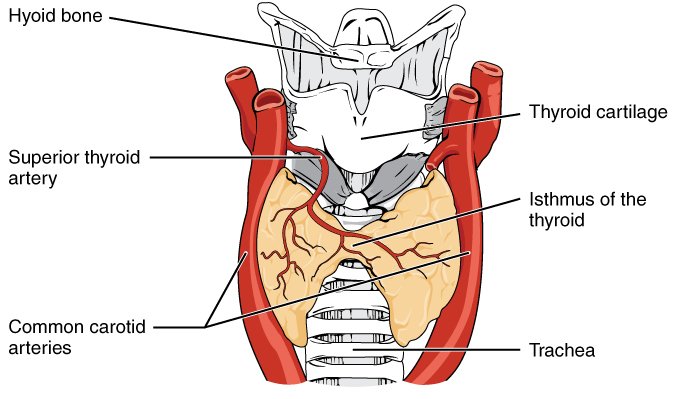
Thyroid disease is a group of conditions that affect the thyroid gland, a small butterfly-shaped gland located at the front of the neck. Although the thyroid is small, it plays a vital role in regulating many of the body’s essential functions. It produces hormones that control metabolism, energy production, heart rate, body temperature, growth, and development.

When the thyroid gland produces too much or too little hormone, it can disrupt the body’s normal balance and lead to a wide range of health problems. Thyroid disease is common and can affect people of all ages, but it is more frequently diagnosed in women than in men. With early diagnosis and appropriate treatment, most thyroid disorders can be managed effectively.

What Is the Thyroid Gland?

The thyroid gland is part of the endocrine system, which consists of glands that produce hormones to regulate various body functions. The thyroid releases two primary hormones:

  • Thyroxine (T4)
  • Triiodothyronine (T3)

These hormones help regulate how the body uses energy, known as metabolism. They also influence heart function, digestion, body temperature, muscle strength, and brain development.

The production of thyroid hormones is controlled by thyroid-stimulating hormone (TSH), which is released by the pituitary gland in the brain.

Types of Thyroid Disease

Several conditions can affect the thyroid gland. The most common include:

Hypothyroidism

Hypothyroidism occurs when the thyroid gland does not produce enough thyroid hormones. This slows down many of the body’s normal functions.

Common symptoms include:

  • Fatigue
  • Weight gain
  • Feeling cold
  • Dry skin
  • Constipation
  • Depression
  • Slow heart rate
  • Hair thinning
  • Muscle weakness

Hypothyroidism often develops gradually and may go unnoticed in its early stages.

Hyperthyroidism

Hyperthyroidism develops when the thyroid produces too much hormone, causing the body’s metabolism to speed up.

Common symptoms include:

  • Unexplained weight loss
  • Rapid or irregular heartbeat
  • Anxiety or nervousness
  • Tremors
  • Excessive sweating
  • Heat intolerance
  • Increased appetite
  • Difficulty sleeping
  • Frequent bowel movements

Without treatment, hyperthyroidism can affect the heart and other organs.

Goiter

A goiter is an enlargement of the thyroid gland. It may occur with normal, increased, or decreased thyroid hormone levels. Depending on its size, a goiter may cause swelling in the neck or difficulty swallowing.

Thyroid Nodules

Thyroid nodules are lumps that develop within the thyroid gland. Most nodules are benign (non-cancerous), but some require further evaluation to rule out thyroid cancer.

Thyroid Cancer

Although relatively uncommon, thyroid cancer occurs when abnormal cells grow within the thyroid gland. It is often highly treatable, especially when diagnosed early.

What Causes Thyroid Disease?

Several factors can contribute to thyroid disorders, including:

  • Autoimmune diseases such as Hashimoto’s thyroiditis or Graves’ disease
  • Family history of thyroid disease
  • Iodine deficiency or excessive iodine intake
  • Thyroid inflammation (thyroiditis)
  • Certain medications
  • Radiation therapy involving the neck
  • Pregnancy-related hormonal changes

In many cases, thyroid disease results from a combination of genetic and environmental factors.

Risk Factors

The risk of thyroid disease increases with:

  • Female sex
  • Age over 60 years
  • Family history of thyroid disorders
  • Autoimmune diseases
  • Previous thyroid surgery
  • Radiation exposure to the neck
  • Pregnancy or recent childbirth

Understanding these risk factors can help support early detection.

How Is Thyroid Disease Diagnosed?

Healthcare providers diagnose thyroid disease through:

  • Medical history
  • Physical examination
  • Blood tests measuring TSH, T3, and T4 levels
  • Thyroid ultrasound
  • Radioactive iodine uptake scan in selected cases
  • Fine-needle biopsy for suspicious thyroid nodules

These tests help determine the type of thyroid disorder and guide treatment decisions.

Treatment Options

Treatment depends on the specific thyroid condition.

Possible treatments include:

  • Thyroid hormone replacement medication for hypothyroidism
  • Medications that reduce thyroid hormone production for hyperthyroidism
  • Radioactive iodine therapy
  • Surgery to remove part or all of the thyroid gland
  • Regular monitoring of thyroid hormone levels

Most people respond well to treatment and can maintain normal daily activities.

Tips for Maintaining Thyroid Health

While not all thyroid diseases can be prevented, healthy habits may support overall thyroid function:

  • Eat a balanced diet that includes adequate iodine, unless advised otherwise by a healthcare provider.
  • Maintain a healthy body weight.
  • Exercise regularly.
  • Avoid smoking.
  • Attend routine medical checkups.
  • Follow prescribed treatment if you have a thyroid disorder.
  • Report new or worsening symptoms to your healthcare provider.

Regular monitoring is important, especially for individuals already diagnosed with thyroid disease.

When to See a Healthcare Provider

Consult a healthcare provider if you experience:

  • Persistent fatigue
  • Unexplained weight gain or weight loss
  • Swelling in the neck
  • Rapid or slow heartbeat
  • Hair loss
  • Ongoing constipation
  • Heat or cold intolerance
  • Difficulty swallowing
  • Changes in mood or energy levels

Early diagnosis can help prevent complications and improve long-term health.

Conclusion

Thyroid disease refers to a range of conditions that affect the thyroid gland and its ability to produce hormones that regulate metabolism and many other essential body functions. The most common disorders include hypothyroidism, hyperthyroidism, goiter, thyroid nodules, and thyroid cancer. Recognizing the symptoms and seeking timely medical evaluation can lead to early diagnosis and effective treatment. With proper medical care, regular monitoring, and healthy lifestyle habits, most people with thyroid disease can successfully manage their condition and enjoy a healthy, active life.

What Is Anemia?

What Is Anemia?
What is anemia

Anemia is a common medical condition that occurs when the body does not have enough healthy red blood cells or sufficient hemoglobin to carry oxygen to its tissues. Hemoglobin is a protein found inside red blood cells that binds to oxygen in the lungs and delivers it throughout the body. When hemoglobin levels are too low, the body’s organs and muscles receive less oxygen, which can lead to fatigue, weakness, and other health problems.

Anemia can affect people of all ages, including children, adults, and older adults. It may develop gradually or appear suddenly, depending on the underlying cause. Fortunately, many types of anemia can be effectively treated once the cause is identified.

How Red Blood Cells Work

Red blood cells play an essential role in transporting oxygen from the lungs to every part of the body. They also carry carbon dioxide back to the lungs, where it is exhaled.

When the body produces too few red blood cells, destroys them too quickly, or loses them through bleeding, oxygen delivery decreases. This shortage of oxygen is responsible for many of the symptoms associated with anemia.

What Causes Anemia?

Anemia can develop for several different reasons. The most common causes include:

Iron Deficiency

Iron-deficiency anemia is the most common type. Iron is needed to produce hemoglobin, and a lack of iron can reduce the body’s ability to make healthy red blood cells.

Iron deficiency may result from:

  • Poor dietary intake
  • Blood loss from heavy menstrual periods
  • Stomach ulcers or digestive tract bleeding
  • Pregnancy
  • Reduced iron absorption due to digestive disorders

Vitamin Deficiency

Low levels of vitamin B12 or folate can interfere with red blood cell production and lead to anemia.

Chronic Diseases

Long-term medical conditions such as kidney disease, cancer, inflammatory disorders, or chronic infections may reduce the body’s ability to produce enough red blood cells.

Blood Loss

Significant blood loss due to injury, surgery, gastrointestinal bleeding, or heavy menstrual bleeding can cause anemia.

Bone Marrow Disorders

Certain conditions affecting the bone marrow may interfere with red blood cell production.

Inherited Conditions

Some forms of anemia are inherited, meaning they are passed from parents to children through genes.

Common Symptoms of Anemia

Symptoms vary depending on the severity and cause of anemia. Mild anemia may produce few or no symptoms, while more severe cases can significantly affect daily activities.

Common symptoms include:

  • Fatigue
  • Weakness
  • Pale skin
  • Shortness of breath
  • Dizziness or lightheadedness
  • Headaches
  • Rapid or irregular heartbeat
  • Cold hands and feet
  • Difficulty concentrating
  • Chest pain in severe cases

If symptoms develop suddenly or worsen over time, medical evaluation is important.

Who Is at Risk?

Several factors increase the likelihood of developing anemia, including:

  • Poor nutrition
  • Pregnancy
  • Heavy menstrual bleeding
  • Chronic diseases
  • Digestive disorders that affect nutrient absorption
  • Older age
  • Family history of inherited blood disorders
  • Frequent blood donation

Understanding these risk factors can help support early detection and prevention.

How Is Anemia Diagnosed?

Healthcare providers diagnose anemia through a combination of medical history, physical examination, and laboratory tests.

Common tests include:

  • Complete blood count (CBC)
  • Hemoglobin measurement
  • Iron studies
  • Vitamin B12 and folate levels
  • Reticulocyte count
  • Additional tests to identify the underlying cause if needed

Early diagnosis allows treatment to begin before complications develop.

Treatment Options

Treatment depends on the specific cause of anemia.

Possible treatments include:

  • Iron supplements for iron-deficiency anemia
  • Vitamin B12 or folic acid supplements
  • Dietary improvements
  • Medications to stimulate red blood cell production in certain conditions
  • Treatment of underlying medical disorders
  • Blood transfusions in severe cases

Treatment should always be guided by a qualified healthcare provider.

How to Help Prevent Anemia

Some forms of anemia can be prevented through healthy lifestyle habits.

Helpful strategies include:

  • Eating iron-rich foods such as lean meat, beans, spinach, and fortified cereals
  • Consuming foods rich in vitamin C to improve iron absorption
  • Including vitamin B12 and folate in your diet through foods such as eggs, dairy products, leafy vegetables, and legumes
  • Managing chronic health conditions
  • Seeking medical advice for heavy menstrual bleeding or unexplained blood loss
  • Attending regular health checkups

A balanced diet plays an important role in maintaining healthy red blood cell production.

Possible Complications

If left untreated, anemia can lead to:

  • Severe fatigue
  • Reduced physical performance
  • Pregnancy complications
  • Heart problems due to increased workload on the heart
  • Delayed growth and development in children
  • Reduced quality of life

Early treatment helps reduce the risk of these complications.

When to See a Healthcare Provider

Consult a healthcare provider if you experience:

  • Persistent fatigue
  • Shortness of breath
  • Pale skin
  • Frequent dizziness
  • Rapid heartbeat
  • Unexplained weakness
  • Symptoms that interfere with daily activities

Medical evaluation is especially important if symptoms develop suddenly or worsen over time.

Conclusion

Anemia is a common condition that occurs when the body does not have enough healthy red blood cells or hemoglobin to deliver adequate oxygen to its tissues. While iron deficiency is the most common cause, anemia can also result from vitamin deficiencies, chronic diseases, blood loss, or inherited conditions. Recognizing the symptoms early and seeking appropriate medical care can help prevent complications. A nutritious diet, regular health screenings, and prompt treatment of underlying conditions are essential for maintaining healthy blood cell production and supporting overall well-being.

Understanding Osteoporosis

Understanding Osteoporosis
Understanding osteoporosis

Osteoporosis is a common bone disease that causes bones to become weak, fragile, and more likely to break. The condition develops gradually over time as bone density decreases and the structure of the bones becomes less strong. Because osteoporosis often progresses without noticeable symptoms until a fracture occurs, it is frequently called the “silent disease.”

Although osteoporosis is more common in older adults, especially postmenopausal women, it can affect both men and women of all ages. Understanding its causes, symptoms, risk factors, and prevention strategies is essential for maintaining strong bones and reducing the risk of fractures.

What Is Osteoporosis?

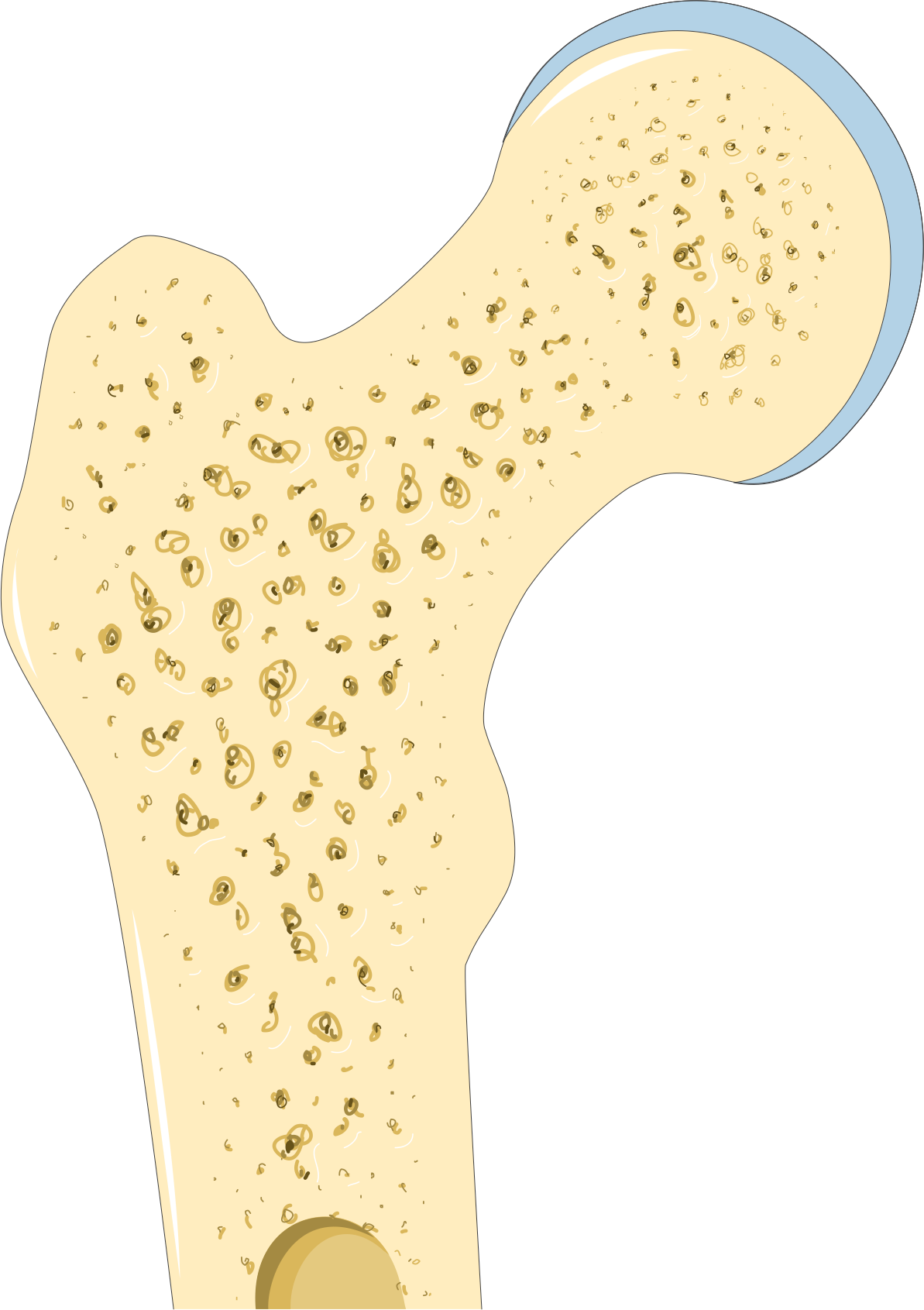
Bones are living tissues that constantly renew themselves. Throughout life, old bone is broken down and replaced with new bone. In healthy individuals, this process keeps bones strong and dense.

Osteoporosis develops when bone loss occurs faster than new bone formation. As a result, bones become porous, less dense, and more susceptible to fractures, even from minor falls or everyday activities.

The condition most commonly affects the:

  • Hip
  • Spine
  • Wrist
  • Ribs
  • Upper arm

Fractures in these areas can significantly affect mobility, independence, and overall quality of life.

What Causes Osteoporosis?

Several factors contribute to the development of osteoporosis. The most common cause is the natural loss of bone density that occurs with aging.

Other contributing factors include:

  • Hormonal changes, particularly after menopause
  • Low calcium intake
  • Vitamin D deficiency
  • Lack of regular physical activity
  • Smoking
  • Excessive alcohol consumption
  • Long-term use of corticosteroid medications
  • Certain medical conditions affecting hormone levels or nutrient absorption
  • Family history of osteoporosis

A combination of these factors can increase the likelihood of developing the condition.

Symptoms of Osteoporosis

In its early stages, osteoporosis usually causes no noticeable symptoms. Many people only discover they have the condition after experiencing a broken bone.

As osteoporosis progresses, symptoms may include:

  • Frequent bone fractures
  • Loss of height over time
  • Back pain caused by spinal fractures
  • Stooped or hunched posture
  • Bones that break more easily than expected

Because symptoms often appear late, regular bone health assessments are important for people at higher risk.

Who Is at Risk?

Certain factors increase the risk of osteoporosis, including:

  • Age over 50 years
  • Female sex, especially after menopause
  • Family history of osteoporosis
  • Small body frame
  • Low calcium and vitamin D intake
  • Physical inactivity
  • Smoking
  • Excessive alcohol use
  • Certain medications, including long-term steroid therapy
  • Chronic conditions such as rheumatoid arthritis or thyroid disorders

While some risk factors cannot be changed, many can be managed through healthy lifestyle choices.

How Is Osteoporosis Diagnosed?

Healthcare providers usually diagnose osteoporosis with a bone mineral density (BMD) test, often performed using a specialized X-ray known as a DEXA scan. This painless test measures bone strength and helps determine fracture risk.

Additional blood tests may be recommended to identify underlying conditions or nutritional deficiencies that contribute to bone loss.

Treatment Options

Treatment focuses on strengthening bones, slowing bone loss, and reducing the risk of fractures.

Treatment may include:

  • Calcium supplements if dietary intake is insufficient
  • Vitamin D supplementation
  • Prescription medications that slow bone loss or increase bone formation
  • Regular weight-bearing and muscle-strengthening exercises
  • Fall prevention strategies
  • Lifestyle modifications

Treatment plans should always be tailored to an individual’s medical history and fracture risk.

How to Prevent Osteoporosis

Building and maintaining strong bones begins early in life, but healthy habits remain beneficial at any age.

Effective prevention strategies include:

  • Eating calcium-rich foods such as dairy products, leafy green vegetables, beans, and fortified foods
  • Getting enough vitamin D through safe sunlight exposure, diet, or supplements if recommended
  • Participating in regular weight-bearing exercises such as walking, dancing, or stair climbing
  • Performing strength-training exercises to improve muscle and bone health
  • Avoiding smoking
  • Limiting alcohol consumption
  • Maintaining a healthy body weight
  • Reducing fall hazards at home

These habits help preserve bone strength and reduce the likelihood of fractures.

Complications of Osteoporosis

If left untreated, osteoporosis can lead to serious complications, including:

  • Hip fractures
  • Spinal compression fractures
  • Chronic pain
  • Reduced mobility
  • Loss of independence
  • Decreased quality of life

Fractures in older adults may also increase the risk of long-term disability.

When to See a Healthcare Provider

Consult a healthcare provider if you:

  • Have a family history of osteoporosis
  • Experience unexplained back pain or loss of height
  • Break a bone after a minor fall
  • Have gone through menopause and have additional risk factors
  • Take long-term corticosteroid medications
  • Are concerned about your bone health

Early diagnosis allows treatment to begin before significant bone loss occurs.

Conclusion

Osteoporosis is a progressive condition that weakens bones and increases the risk of fractures, particularly in the hips, spine, and wrists. Although it often develops without symptoms, it can have a significant impact on mobility and quality of life if left untreated. Maintaining a balanced diet rich in calcium and vitamin D, staying physically active, avoiding smoking, and attending regular medical checkups are key steps in protecting bone health. With early detection and appropriate treatment, many people with osteoporosis can maintain strong bones and continue living active, independent lives.

What Is Arthritis?

What Is Arthritis?
What is arthritis

Arthritis is a common condition that causes inflammation, pain, stiffness, and swelling in one or more joints. It can affect people of all ages, although it is more common in older adults. Arthritis is not a single disease but a broad term that refers to more than 100 different joint disorders. The condition can range from mild discomfort to severe joint damage that limits mobility and affects quality of life.

While arthritis cannot always be cured, early diagnosis, proper treatment, and healthy lifestyle habits can help manage symptoms, reduce pain, and improve daily function.

What Is Arthritis?

Arthritis occurs when the joints become inflamed or damaged. Joints are the places where two or more bones meet, allowing movement throughout the body. Healthy joints are protected by cartilage, a smooth tissue that cushions the ends of bones and helps them move easily.

When arthritis develops, the cartilage may wear away, the joint lining may become inflamed, or the body’s immune system may attack healthy joint tissues. This can result in pain, swelling, stiffness, and reduced movement.

Arthritis commonly affects the:

  • Knees
  • Hips
  • Hands
  • Fingers
  • Feet
  • Spine
  • Shoulders

However, it can develop in almost any joint in the body.

Types of Arthritis

There are many different forms of arthritis, but the two most common types are osteoarthritis and rheumatoid arthritis.

Osteoarthritis

Osteoarthritis is the most common form of arthritis. It develops when the protective cartilage covering the ends of bones gradually wears down over time. As the cartilage breaks down, bones may rub against each other, causing pain, stiffness, and reduced joint flexibility.

Risk factors for osteoarthritis include:

  • Aging
  • Joint injuries
  • Obesity
  • Repetitive joint movements
  • Family history

Rheumatoid Arthritis

Rheumatoid arthritis is an autoimmune disease in which the immune system mistakenly attacks the lining of the joints. This leads to inflammation, pain, swelling, and, over time, possible joint damage.

Unlike osteoarthritis, rheumatoid arthritis often affects the same joints on both sides of the body and may also affect organs such as the lungs, eyes, and heart.

Common Symptoms of Arthritis

Symptoms vary depending on the type and severity of arthritis, but common signs include:

  • Joint pain
  • Stiffness, especially in the morning
  • Swelling around the joints
  • Reduced range of motion
  • Tenderness when touching the joint
  • Warmth or redness over the affected area
  • Weakness around the joint
  • Difficulty performing daily activities

Symptoms may develop gradually or appear suddenly, depending on the specific type of arthritis.

What Causes Arthritis?

The causes of arthritis differ depending on the type.

Common causes and contributing factors include:

  • Natural wear and tear of joints
  • Autoimmune disorders
  • Previous joint injuries
  • Genetic factors
  • Obesity
  • Repetitive stress on joints
  • Infections in certain cases

Although some risk factors cannot be changed, maintaining a healthy lifestyle may help reduce the likelihood of developing certain forms of arthritis.

Risk Factors

Several factors increase the risk of arthritis:

  • Increasing age
  • Family history
  • Being overweight or obese
  • Previous joint injuries
  • Occupations involving repetitive joint movements
  • Smoking, particularly for rheumatoid arthritis
  • Certain autoimmune conditions

How Is Arthritis Diagnosed?

Healthcare providers diagnose arthritis through a combination of:

  • Medical history
  • Physical examination
  • Blood tests
  • X-rays
  • MRI or ultrasound imaging when needed
  • Joint fluid analysis in certain situations

These tests help determine the type of arthritis and the extent of joint damage.

Treatment Options

Treatment focuses on reducing pain, controlling inflammation, maintaining joint function, and improving quality of life.

Common treatment options include:

  • Pain-relieving medications
  • Anti-inflammatory medications
  • Physical therapy
  • Regular exercise
  • Weight management
  • Assistive devices when needed
  • Joint injections for certain conditions
  • Surgery, including joint replacement, in severe cases

People with rheumatoid arthritis may also require medications that help control the immune system and slow disease progression.

Tips for Managing Arthritis

Many people can reduce symptoms by adopting healthy daily habits:

  • Stay physically active with low-impact exercises such as walking, swimming, or cycling.
  • Maintain a healthy body weight to reduce pressure on joints.
  • Stretch regularly to improve flexibility.
  • Eat a balanced diet rich in fruits, vegetables, whole grains, and healthy fats.
  • Use proper body mechanics during daily activities.
  • Get enough sleep to support recovery.
  • Avoid smoking.
  • Follow your healthcare provider’s treatment plan.

Consistent self-care can improve mobility and reduce discomfort over time.

When to Seek Medical Advice

Consult a healthcare provider if you experience:

  • Persistent joint pain lasting several weeks
  • Swollen or warm joints
  • Morning stiffness lasting longer than 30 minutes
  • Difficulty moving a joint
  • Joint pain that interferes with daily activities
  • Sudden swelling or severe pain in a joint

Early diagnosis and treatment can help prevent long-term joint damage.

Conclusion

Arthritis is a common condition that affects the joints and can cause pain, stiffness, swelling, and reduced mobility. The most common forms, osteoarthritis and rheumatoid arthritis, have different causes but can both significantly impact daily life if left untreated. While there is no universal cure, early diagnosis, appropriate medical care, regular physical activity, and healthy lifestyle choices can help manage symptoms and protect joint health. Understanding arthritis empowers individuals to take proactive steps toward maintaining mobility and improving their overall quality of life.

Migraine vs Headache: What’s the Difference?

Migraine vs Headache: What’s the Difference?
Migraine vs headache: what’s the difference

Many people use the terms migraine and headache interchangeably, but they are not the same. A headache is a symptom that can occur for many reasons, while a migraine is a neurological condition that causes recurring episodes of moderate to severe head pain along with other symptoms. Understanding the difference between migraines and headaches is important because they often require different approaches to treatment and management.

If you frequently experience head pain, knowing the signs of each condition can help you seek appropriate medical care and improve your quality of life.

What Is a Headache?

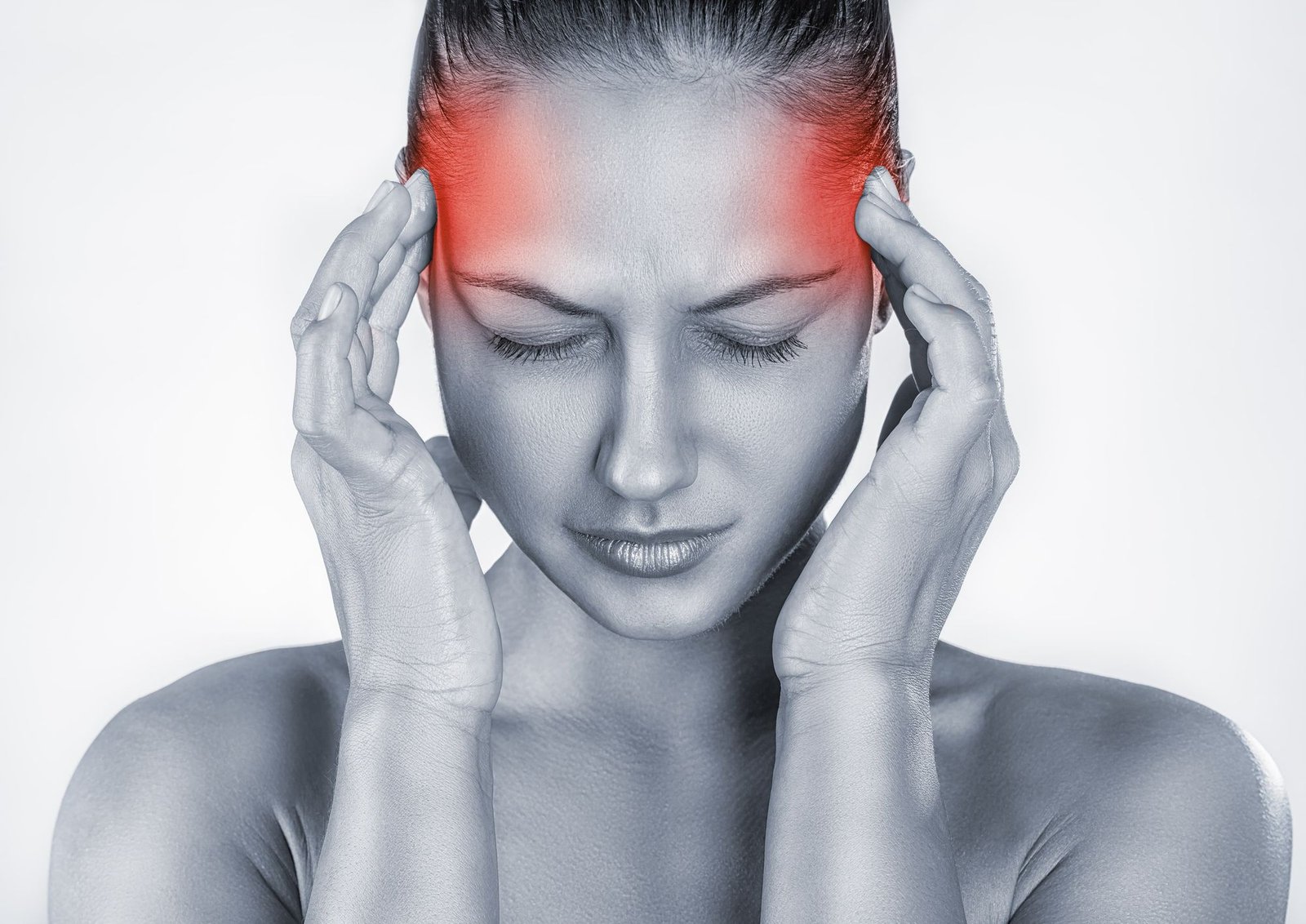
A headache is pain or discomfort in the head, scalp, or neck. It is one of the most common medical complaints and can range from mild to severe. Headaches may occur occasionally or become chronic, depending on their cause.

There are two main types of headaches:

  • Primary headaches, such as tension headaches and cluster headaches, which are not caused by another medical condition.
  • Secondary headaches, which develop as a symptom of an underlying problem such as sinus infections, dehydration, high blood pressure, or head injuries.

Most headaches improve with rest, hydration, stress management, or over-the-counter pain relievers.

What Is a Migraine?

A migraine is a neurological disorder characterized by recurring attacks of intense head pain. Unlike ordinary headaches, migraines often involve additional symptoms that affect daily activities and can last for several hours or even several days.

Migraine attacks may occur occasionally or frequently and often follow a pattern that is unique to each individual.

Key Differences Between Migraine and Headache

Although both conditions involve head pain, several important differences help distinguish them.

FeatureHeadacheMigraine
Pain intensityMild to moderateModerate to severe
Pain locationEntire head or both sidesUsually one side, but can affect both
Pain typeDull, tight, or pressure-likeThrobbing or pulsating
Duration30 minutes to several hours4 to 72 hours if untreated
Physical activityUsually does not worsen painOften makes pain worse
Additional symptomsRareNausea, vomiting, sensitivity to light, sound, or smells

Symptoms of a Headache

Common headache symptoms include:

  • Dull or aching pain
  • Pressure around the forehead or back of the head
  • Tightness in the scalp or neck
  • Mild sensitivity to activity
  • Pain that improves with rest

Tension headaches are the most common type and are often linked to stress, muscle tension, or fatigue.

Symptoms of a Migraine

Migraines often produce several symptoms beyond head pain, including:

  • Severe throbbing or pulsating pain
  • Pain on one side of the head, although both sides may be affected
  • Nausea or vomiting
  • Sensitivity to light
  • Sensitivity to sound
  • Sensitivity to certain smells
  • Blurred vision
  • Dizziness
  • Difficulty concentrating

Some people also experience an aura, which may include flashing lights, blind spots, tingling sensations, or temporary speech difficulties before the headache begins.

Common Causes of Headaches

Headaches can be triggered by many everyday factors, including:

  • Stress
  • Dehydration
  • Lack of sleep
  • Eye strain
  • Poor posture
  • Hunger
  • Sinus infections
  • Excessive caffeine or caffeine withdrawal

Identifying and managing these triggers can help reduce headache frequency.

Common Migraine Triggers

Migraine triggers vary from person to person but commonly include:

  • Hormonal changes
  • Emotional stress
  • Sleep disturbances
  • Certain foods such as aged cheese or processed meats
  • Alcohol
  • Bright lights
  • Strong odors
  • Weather changes
  • Skipping meals

Keeping a migraine diary may help identify personal triggers.

Treatment Options

Treatment depends on the type and severity of the condition.

For headaches, treatment may include:

  • Rest
  • Drinking plenty of water
  • Over-the-counter pain relievers
  • Stress management
  • Correcting posture
  • Limiting screen time

Migraine treatment may involve:

  • Prescription migraine medications
  • Preventive medications for frequent attacks
  • Avoiding known triggers
  • Adequate sleep
  • Staying hydrated
  • Regular exercise
  • Relaxation techniques

A healthcare provider can recommend the most appropriate treatment plan based on your symptoms.

When to Seek Medical Attention

Seek immediate medical care if you experience:

  • A sudden, severe headache unlike any previous headache
  • Head pain following a head injury
  • Fever, confusion, seizures, or stiff neck with a headache
  • Vision loss or difficulty speaking
  • Weakness or numbness
  • Frequent migraines or headaches that worsen over time

Early evaluation can help identify serious underlying conditions and improve treatment outcomes.

Tips for Prevention

Whether you experience headaches or migraines, these healthy habits may help reduce attacks:

  • Maintain a regular sleep schedule.
  • Stay hydrated throughout the day.
  • Eat balanced meals and avoid skipping meals.
  • Exercise regularly.
  • Manage stress through relaxation or mindfulness techniques.
  • Limit alcohol and excessive caffeine.
  • Identify and avoid personal triggers.
  • Attend regular medical checkups if symptoms persist.

Conclusion

Although migraines and headaches both cause head pain, they are different conditions with distinct symptoms, causes, and treatment approaches. Headaches are often mild to moderate and result from factors such as stress or dehydration, while migraines are a neurological disorder that can cause severe pain along with nausea and sensitivity to light or sound. Recognizing the differences between the two can help you seek the right treatment, reduce future attacks, and improve your overall well-being. If your symptoms are frequent, severe, or interfere with daily life, consult a healthcare provider for a proper evaluation and personalized care plan.

Common Causes of Headaches

Common Causes of Headaches
Common causes of headaches

Headaches are one of the most common health complaints experienced by people of all ages. They can range from a mild, temporary discomfort to severe pain that interferes with daily activities. While most headaches are not a sign of a serious medical condition, recurring or severe headaches should not be ignored, especially if they occur suddenly or are accompanied by other concerning symptoms.

Understanding the common causes of headaches can help you identify possible triggers, manage symptoms effectively, and know when to seek medical care.

What Is a Headache?

A headache is pain or discomfort in the head, scalp, face, or neck. The pain may be sharp, throbbing, dull, or constant and can affect one or both sides of the head. Headaches are generally classified as primary headaches, which are not caused by another medical condition, and secondary headaches, which result from an underlying health problem.

Most headaches are temporary and improve with rest, hydration, or over-the-counter pain relief. However, frequent headaches may require medical evaluation.

Tension Headaches

Tension headaches are the most common type of headache. They often feel like a tight band around the head or a dull ache on both sides.

Common triggers include:

  • Stress
  • Anxiety
  • Poor posture
  • Muscle tension in the neck and shoulders
  • Fatigue
  • Long hours at a computer

These headaches are usually mild to moderate and may last from a few hours to several days.

Migraine

Migraines are more than just severe headaches. They often cause intense, throbbing pain, usually on one side of the head.

Migraine symptoms may include:

  • Nausea or vomiting
  • Sensitivity to light
  • Sensitivity to sound
  • Blurred vision
  • Visual disturbances known as aura in some people

Common migraine triggers include hormonal changes, lack of sleep, stress, certain foods, dehydration, and environmental factors.

Dehydration

Not drinking enough water can lead to dehydration, which is a common cause of headaches. When the body lacks adequate fluids, blood flow and oxygen delivery to the brain may be affected, resulting in headache pain.

Drinking enough water throughout the day is a simple way to reduce the risk of dehydration-related headaches.

Lack of Sleep

Insufficient or poor-quality sleep can trigger headaches by affecting brain function and increasing stress hormones. Both too little sleep and excessive sleeping may contribute to headache development.

Maintaining a consistent sleep schedule supports overall health and may help reduce headache frequency.

Stress and Anxiety

Emotional stress is a major contributor to headaches. During stressful situations, muscles in the neck, shoulders, and scalp may tighten, leading to tension headaches.

Long-term stress may also increase the likelihood of migraines in susceptible individuals.

Eye Strain

Spending extended periods looking at computers, smartphones, or other digital devices can cause eye strain and headaches.

Common causes include:

  • Prolonged screen time
  • Poor lighting
  • Uncorrected vision problems
  • Reading for long periods without breaks

Following the 20-20-20 rule—looking at something 20 feet away for 20 seconds every 20 minutes—may help reduce eye strain.

Sinus Problems

Sinus infections and allergies can cause inflammation and pressure in the sinus cavities, leading to headaches around the forehead, eyes, and cheeks.

These headaches are often accompanied by:

  • Nasal congestion
  • Facial tenderness
  • Runny nose
  • Fever in cases of infection

Treating the underlying sinus condition often relieves the headache.

High Blood Pressure

Although mild high blood pressure usually does not cause headaches, extremely elevated blood pressure may lead to severe headaches along with dizziness, blurred vision, or chest pain. This situation requires prompt medical evaluation.

Caffeine and Withdrawal

Moderate caffeine intake may temporarily relieve headaches in some people. However, consuming excessive amounts or suddenly stopping caffeine after regular use can trigger withdrawal headaches.

Maintaining consistent caffeine consumption and avoiding excessive intake may help prevent these headaches.

Certain Foods and Drinks

Some individuals are sensitive to specific foods or beverages that may trigger headaches.

Common dietary triggers include:

  • Alcohol
  • Processed meats
  • Aged cheeses
  • Chocolate
  • Foods containing monosodium glutamate (MSG)
  • Artificial sweeteners

Keeping a food diary can help identify personal triggers.

Medication Overuse

Using pain-relief medications too frequently can lead to medication-overuse headaches, also known as rebound headaches. This occurs when the body becomes dependent on frequent pain medication, causing headaches to return as the medication wears off.

Always follow the recommended dosage and consult a healthcare provider if headaches become frequent.

When to Seek Medical Attention

Seek immediate medical care if a headache:

  • Appears suddenly and is extremely severe
  • Occurs after a head injury
  • Is accompanied by fever, confusion, seizures, or stiff neck
  • Causes weakness, numbness, or difficulty speaking
  • Becomes more frequent or progressively worse
  • Does not improve with appropriate treatment

These symptoms may indicate a serious underlying medical condition.

Tips to Help Prevent Headaches

You can reduce the risk of headaches by:

  • Drinking plenty of water
  • Getting enough sleep
  • Managing stress through relaxation techniques
  • Exercising regularly
  • Eating balanced meals at regular times
  • Limiting alcohol and excessive caffeine
  • Taking regular breaks from screens
  • Maintaining good posture
  • Identifying and avoiding personal headache triggers

Conclusion

Headaches are common and can result from a wide range of factors, including stress, dehydration, lack of sleep, migraines, eye strain, sinus problems, and certain lifestyle habits. While most headaches are not dangerous, persistent or severe headaches should be evaluated by a healthcare provider. Understanding your headache triggers and adopting healthy daily habits can help reduce their frequency and improve your overall quality of life.

What Is Asthma?

What Is Asthma?
What is asthma

Asthma is a chronic respiratory condition that affects the airways in the lungs, making it difficult to breathe. It occurs when the airways become inflamed, swollen, and overly sensitive to certain triggers. During an asthma attack, the muscles around the airways tighten, the lining becomes inflamed, and excess mucus is produced, causing the air passages to narrow. This can lead to symptoms such as wheezing, coughing, chest tightness, and shortness of breath.

Asthma affects people of all ages and is one of the most common long-term lung conditions worldwide. Although there is no cure, proper treatment and lifestyle management can help most people control their symptoms and lead active, healthy lives.

How Asthma Affects the Lungs

The lungs contain a network of airways called bronchial tubes that carry oxygen in and carbon dioxide out. In people with asthma, these airways are more sensitive than normal.

When exposed to a trigger, three main changes occur:

  • The airway lining becomes inflamed.
  • The muscles surrounding the airways tighten.
  • Excess mucus blocks the air passages.

These changes make breathing more difficult and reduce the amount of air that can move in and out of the lungs.

Common Symptoms of Asthma

Asthma symptoms vary from person to person and may range from mild to severe. Some people experience symptoms only occasionally, while others have them more frequently.

Common symptoms include:

  • Shortness of breath
  • Wheezing, especially while exhaling
  • Persistent coughing, particularly at night or early in the morning
  • Chest tightness or discomfort
  • Difficulty breathing during exercise
  • Frequent respiratory infections
  • Trouble sleeping due to coughing or breathing problems

Symptoms often worsen during an asthma attack and may require immediate treatment.

What Causes Asthma?

The exact cause of asthma is not fully understood, but researchers believe it develops due to a combination of genetic and environmental factors.

People are more likely to develop asthma if they have:

  • A family history of asthma or allergies
  • Allergic conditions such as eczema or hay fever
  • Frequent respiratory infections during childhood
  • Exposure to tobacco smoke
  • Air pollution
  • Occupational exposure to chemicals or dust

Common Asthma Triggers

Asthma symptoms can be triggered by many different factors, including:

  • Pollen
  • Dust mites
  • Pet dander
  • Mold
  • Cigarette smoke
  • Air pollution
  • Cold air
  • Exercise
  • Respiratory infections
  • Strong odors or perfumes
  • Emotional stress
  • Certain medications

Identifying and avoiding personal triggers can help reduce asthma attacks.

Types of Asthma

Asthma can be classified into several types, depending on its cause or symptoms.

Allergic Asthma

Triggered by allergens such as pollen, dust mites, mold, or pet dander.

Non-Allergic Asthma

Caused by factors unrelated to allergies, such as infections, weather changes, stress, or strong odors.

Exercise-Induced Asthma

Symptoms occur during or shortly after physical activity.

Occupational Asthma

Develops due to exposure to dust, chemicals, fumes, or other substances in the workplace.

Childhood Asthma

Asthma often begins during childhood, although some children experience fewer symptoms as they grow older.

How Is Asthma Diagnosed?

Healthcare providers diagnose asthma by reviewing your medical history, discussing your symptoms, performing a physical examination, and evaluating your lung function.

Common diagnostic tests include:

  • Spirometry to measure lung function
  • Peak flow measurements
  • Allergy testing
  • Chest imaging when necessary
  • Additional breathing tests if required

These tests help determine the severity of asthma and guide treatment decisions.

Treatment for Asthma

Although asthma cannot be cured, it can usually be managed effectively with medication and lifestyle changes.

Treatment may include:

  • Quick-relief inhalers to relieve sudden symptoms
  • Long-term controller medications to reduce airway inflammation
  • Allergy medications when allergies contribute to symptoms
  • Regular monitoring of lung function
  • Following an individualized asthma action plan

Medications should always be taken as directed by a healthcare provider.

Tips for Managing Asthma

You can reduce asthma symptoms and improve your quality of life by:

  • Taking prescribed medications consistently
  • Avoiding known asthma triggers
  • Keeping your home free of dust and allergens
  • Avoiding smoking and secondhand smoke
  • Exercising regularly with medical guidance
  • Receiving recommended vaccinations to reduce respiratory infections
  • Monitoring your symptoms and seeking medical advice if they worsen

Regular follow-up appointments help ensure your asthma remains well controlled.

When to Seek Emergency Care

Immediate medical attention is necessary if you experience:

  • Severe shortness of breath
  • Difficulty speaking due to breathlessness
  • Blue lips or fingernails
  • Rapid worsening of symptoms
  • Little or no improvement after using a rescue inhaler

These may be signs of a severe asthma attack requiring urgent treatment.

Conclusion

Asthma is a long-term condition that affects the airways and can make breathing difficult, but it is manageable with the right care. Understanding its symptoms, causes, and triggers allows individuals to take proactive steps to reduce attacks and maintain healthy lung function. Regular medical care, proper medication use, and healthy lifestyle habits can help people with asthma live active, fulfilling lives while minimizing the impact of the condition on their daily activities.